
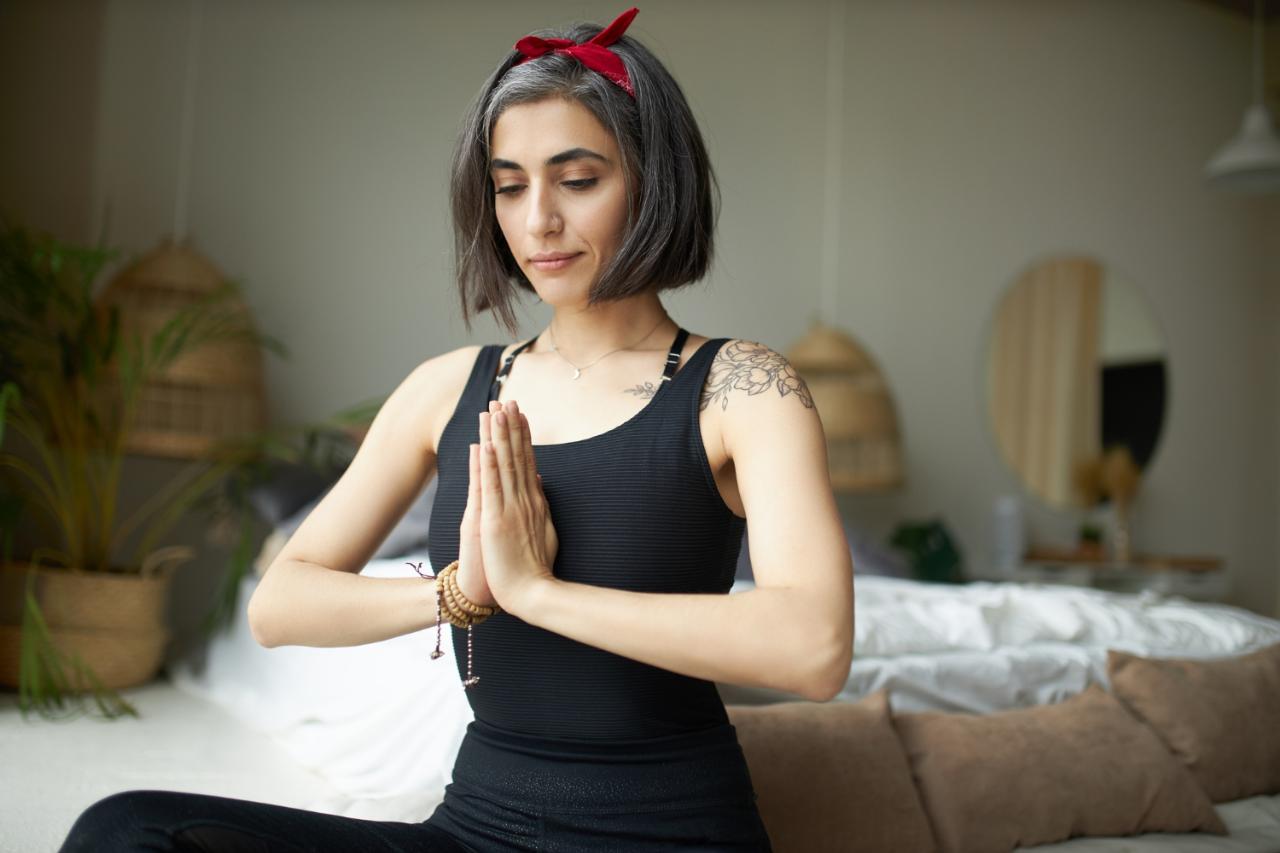
Many treatment programs now offer yoga, meditation, art, music and fitness alongside counseling and medical care. The short answer to the question in the title is that these practices can help when they accompany clinical care and can put health at risk when they replace it. They can make recovery feel more human and more livable. They also have limits, and knowing both sides helps you use them well. Here is a clear look at what mind-body practices can add to addiction treatment and where clinical care must take the lead.
Complementary, Alternative and Integrative Care
The words used for these practices matter. The National Center for Complementary and Integrative Health (NCCIH) explains the terms this way: a non-mainstream practice used together with conventional medicine is “complementary,” and one used in place of it is “alternative.” Integrative health brings the two together in a coordinated way.
For addiction, the complementary model is the safe one. Substance use disorders are medical conditions, and the core of treatment includes:
- Medical care for withdrawal when it is needed
- Medications for certain conditions, such as opioid or alcohol use disorder
- Behavioral therapies such as cognitive behavioral therapy
- Treatment for co-occurring mental health conditions like depression or anxiety
Mind-body practices work best layered on top of that foundation.
What These Practices Can Offer
Each practice contributes something different. Let’s see how:
Mindfulness and meditation
Mindfulness trains you to notice thoughts, feelings and body sensations without reacting to them. NCCIH’s summary of research on meditation and mindfulness describes approaches such as mindfulness-based relapse prevention, which help people become more aware of the thoughts and feelings that trigger cravings and less automatic in how they respond. The pause between craving and action is a useful skill in early recovery.
Yoga and exercise
Movement gives your body a healthy way to release tension. Many people in recovery find that regular exercise helps with sleep, mood, cravings, and daily structure. A consistent workout or yoga class also fills hours that used to belong to drinking or drug use.
Nutrition
Substance use often goes hand in hand with skipped meals and poor eating. Learning to shop, cook and eat regularly can steady energy and mood, and it gives people a practical form of self-care they can keep doing at home.
Art and music
Creative work offers a way to express feelings that are hard to put into words. Painting, journaling, songwriting or playing an instrument can open up material that people then explore further in therapy.
What These Practices Cannot Do
Mindfulness, meditation, yoga, and art can be helpful, and each has limits. Being honest about these limits protects your health.
- They cannot manage withdrawal. Withdrawal from alcohol or benzodiazepines can cause seizures and other life-threatening complications and needs medical supervision. Opioid withdrawal carries a lower risk of death, yet it brings severe symptoms and a higher risk of overdose after relapse, because tolerance drops during withdrawal, so medical support matters here too.
- They do not replace medication or therapy. NCCIH advises against using meditation or mindfulness to replace conventional care or to put off seeing a health care provider.
- They are not risk-free for everyone. Some people report anxiety or low mood during meditation. If a practice stirs up distress, tell your counselor and adjust.
- The research is still growing. Evidence for many of these practices in addiction treatment is early, so approach them as helpful additions and keep expectations realistic.
How to Evaluate a Program’s Mind-Body Offerings
When a treatment center lists yoga or art on its website, look for signs that these offerings are woven into a clinical plan. Programs that offer holistic addiction treatment should describe these practices as part of a wider plan.
A good treatment center lists yoga, mindfulness, nutrition classes, exercise and strength training as complementary therapies alongside its evidence-based treatment, and some include daily music sessions.
Questions to ask regarding any addiction recovery program:
- Are mind-body sessions scheduled regularly or offered occasionally?
- Are instructors trained to work with people in early recovery?
- How do counselors use what comes up in art, music or movement sessions?
- Will I leave with a plan to keep these practices going at home?
Choose One Practice to Try This Week
Pick one mind-body practice that appeals to you, such as a short guided breathing exercise or a beginner yoga class, and try it three times this week. Then talk with your counselor or doctor about how it felt and how it fits with the rest of your care.
Frequently Asked Questions
Can yoga or meditation help with cravings?
Mindfulness-based approaches may help some people notice cravings sooner and respond with more choice. They work best as one tool within a full treatment plan that includes clinical care.
Do I need to be flexible or artistic to benefit?
No. Beginner classes, simple breathing exercises and basic creative activities are designed for people with no experience. What matters is showing up and practicing.
Can yoga or meditation replace medication or therapy in addiction treatment?
No. Substance use disorders are medical conditions, and the core of care, which includes medical management of withdrawal, medications for opioid or alcohol use disorder, and behavioral therapies, has a stronger research record than any mind-body practice. Yoga and meditation can support that care, and NCCIH advises against using meditation as a replacement for conventional treatment.
Is it safe to start yoga or meditation during withdrawal or early recovery?
Withdrawal needs medical supervision first, because withdrawal from alcohol or benzodiazepines can be life-threatening and opioid withdrawal, though less dangerous, still calls for medical support given the overdose risk that follows. Once a medical team confirms that a person is stable, gentle practices such as slow breathing or beginner yoga can be added to the treatment plan, and it helps to check with a counselor or doctor before choosing a class.
What should I do if meditation makes me anxious or brings up painful memories?
Stop for that session and tell your counselor what happened, since some people report anxiety or low mood during meditation. A counselor can help you adjust by shortening sessions or switching to movement-based or creative practices, and an instructor trained in trauma-informed methods can also help.
How often should I practice, and when will I see results?
Short sessions several times a week are easier to sustain than a single long session, and the three-times-a-week trial described above is a workable starting point. Research on these practices in addiction treatment is early, so no fixed timeline exists; tracking sleep, mood and cravings in a journal for a few weeks gives you concrete observations to discuss with your counselor.
Does insurance cover yoga, art or music therapy in a treatment program?
Coverage depends on the insurance plan and on how the program bills for these services, so ask the admissions team whether they are included in the program fee or billed separately, and check with your insurer before enrolling.
 Spot an error in this article? A typo maybe? Or an incorrect source? Let us know!