
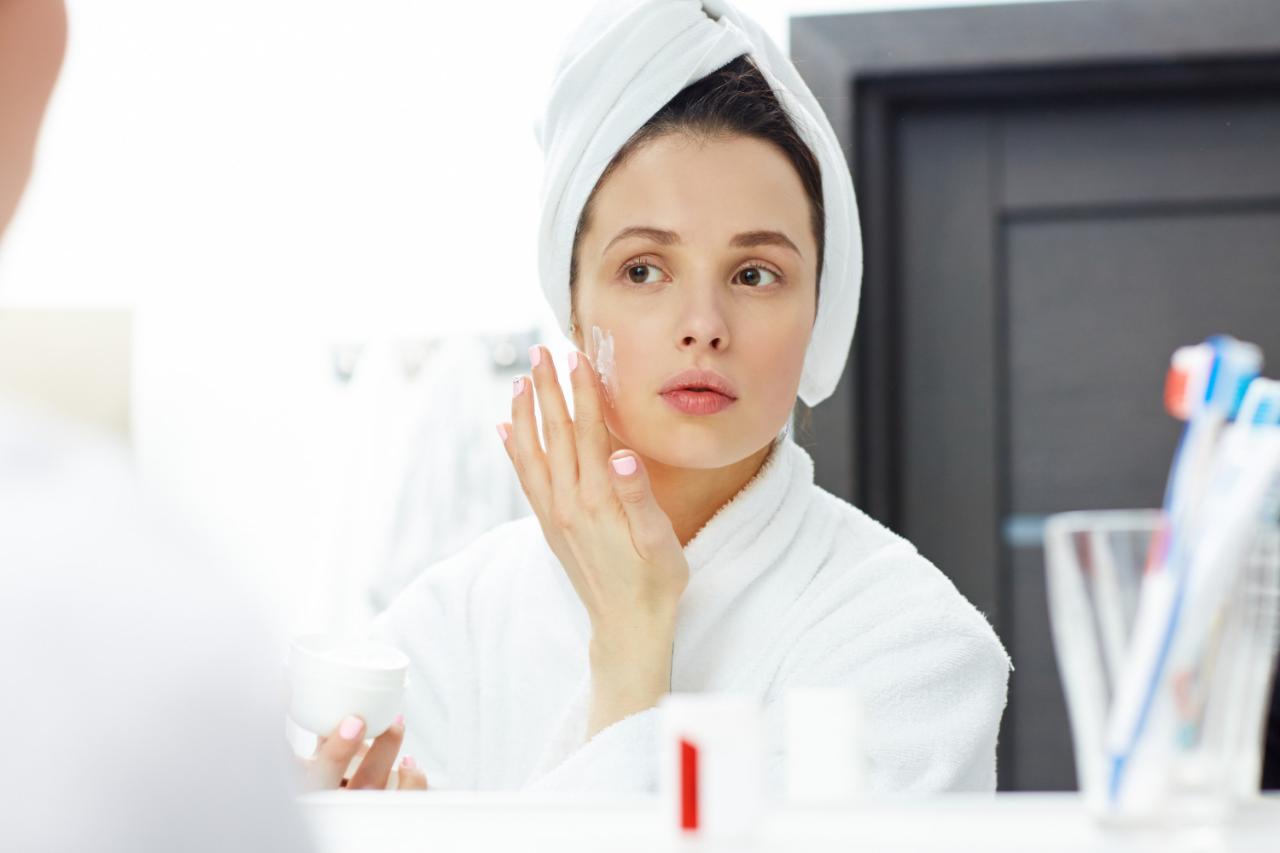
The cleanser, the toner, the serum stacked in careful order on your bathroom shelf. Most people think of skincare as something that happens in those five or ten minutes in front of the mirror. Your skin reacts to what happens all day long, not just to what touches its surface, and habits far from the bathroom mirror determine how well it holds up.
Sleep Is a Skincare Step
There is a reason the phrase “beauty sleep” stuck around. During deep sleep, your body ramps up cellular repair, produces growth hormone, and works to restore the skin barrier. When you cut that process short, the effects show up on the face in no time.
In a study published in Clinical and Experimental Dermatology, good sleepers demonstrated 30% greater skin barrier recovery compared to poor sleepers after controlled barrier disruption, and also recovered faster from ultraviolet-induced redness; the gap compounds over years, not just overnight.
The way it works is straightforward. When you sleep, cortisol levels drop and growth hormone peaks, and growth hormone is a key driver of collagen synthesis. When sleep is cut short, cortisol stays elevated longer, suppressing collagen production while accelerating its breakdown. The result is skin that looks and behaves older than it should.
What “Enough Sleep” Actually Means for Skin
7 – 9 hours is the range most adults need for the skin’s repair cycle to run its full course. Consistently sleeping five hours or fewer puts your body into a state of chronic low-grade stress, and your skin reflects that. Fine lines deepen, hydration drops, and the barrier becomes less effective at keeping irritants out.
Related » How Sleep Affects Skin
The Timing of Skincare Products Matters Here Too
Applying active ingredients like retinoids and peptides at night is not just a marketing convention. Your skin’s permeability increases during sleep, and cellular turnover accelerates, so products applied before bed have a better environment to work in. Treating sleep as part of the routine, rather than something separate from it, changes the logic of how the whole system operates.
What Happens at the Table Shows Up on the Face
Nutrition and skin health are closely linked. Your food is the source of several important nutrients your skin needs: the building blocks for collagen, the compounds that regulate inflammation, and the antioxidants that defend against oxidative damage.
Research published in the American Journal of Clinical Nutrition found that higher intakes of vitamin C and linoleic acid are associated with a lower prevalence of wrinkled appearance and skin dryness, while higher intakes of fats and carbohydrates are associated with a greater likelihood of skin aging features.
The Glycemic Connection
High-glycemic foods spike your blood sugar, triggering a process called glycation. Glucose molecules bind to collagen and elastin fibers, making them stiff and brittle. The visible outcome is reduced skin elasticity and the early appearance of fine lines. Swapping refined carbohydrates for lower-glycemic options is one of the more direct ways to improve your skin quality.
Antioxidants and Skin Defense
Your skin is constantly exposed to oxidative stress from UV radiation, pollution, and metabolic processes. Antioxidants from food, particularly vitamins C and E, carotenoids, and polyphenols, help neutralize free radicals before they cause structural damage. A diet rich in colorful vegetables and fruit delivers these compounds in forms your body can actually use, which is not the same as applying them topically.
Omega-3 Fatty Acids and Inflammation
Chronic low-grade inflammation is one of the primary drivers of accelerated skin aging. Omega-3 fatty acids, found in fatty fish, flaxseed, and walnuts, help regulate your body’s inflammatory response. When your diet skews heavily toward omega-6 fats from processed foods, the balance tips toward a more inflammatory state and the first place it shows up on is your skin.
Stress Works Against Everything Else
Stress does not just affect your mood. It alters your skin at a cellular level through the hormones it releases, primarily cortisol and epinephrine, which disrupt collagen synthesis, impair the skin barrier, and trigger inflammatory conditions including acne, psoriasis, and atopic dermatitis.
A 2024 study found that moderately stressed subjects had decreased antioxidant potential and impaired skin barrier integrity, along with a 32.9% increase in microrelief alteration compared to mildly stressed subjects. That is a measurable structural difference driven entirely by stress hormones, not sun exposure or product choice.
Practices like consistent exercise, time outside, and adequate rest reduce cortisol output. For people pursuing professional skincare treatments, managing chronic stress is part of getting the most from those treatments. A treatment like microneedling, which works by stimulating the skin’s own collagen-production response, delivers better and more lasting results when your body’s baseline inflammation and cortisol levels are not working against the healing process.
Sun Protection Is a Daily Habit
UV radiation is the single largest contributor to extrinsic skin aging. Photoaging, the term for UV-induced changes to skin structure, accounts for the majority of visible aging in adults. And the damage is cumulative, largely invisible until years after it occurs.
Daily broad-spectrum SPF application, even on overcast days and during winter months, is the most evidence-backed habit in preventive skincare. UVA rays penetrate glass and cloud cover and are responsible for collagen degradation and pigmentation changes. A commute, a few hours near a window, or a short walk adds up over time in ways that a weekend at the beach gets all the credit for.
Reapplication matters for anyone spending extended time outdoors. SPF degrades with sweat, humidity, and time, and a single morning application does not maintain the same protection level by afternoon.
Hydration From the Inside Out
Topical moisturizers work at the surface level, reinforcing the lipid barrier and reducing transepidermal water loss. But your skin’s hydration also depends on systemic water intake and the integrity of the barrier itself. A compromised barrier, whether from harsh products, environmental exposure, or chronic sleep deprivation, loses water faster than even a well-formulated moisturizer can replace.
Drinking enough water supports your skin’s turgor and elasticity, though the relationship is not as direct as it is sometimes presented. What matters more is avoiding the habits that actively dehydrate your skin: alcohol, excessive caffeine, and long hot showers that strip the natural lipid layer.
Where to Start
Sleep, food, stress, and sun protection all shape how the skin looks and behaves, working quietly in the background every hour of the day. Optimizing them determines how well a topical routine actually performs. Effective skincare treats the skin as a living system, and the bathroom shelf is only part of that system.
 Spot an error in this article? A typo maybe? Or an incorrect source? Let us know!