
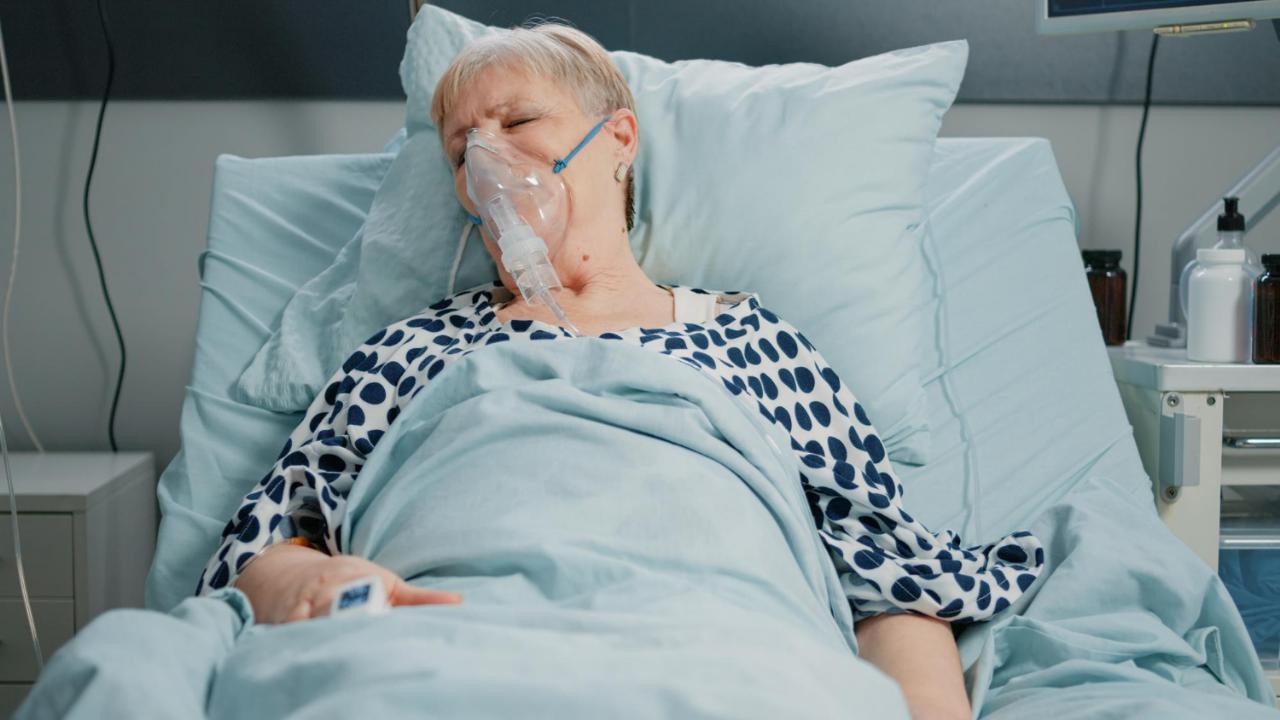
Fungal infections, specifically respiratory complications like fungal pneumonia, are frequently misdiagnosed as viral or bacterial infections. For this reason, it can be difficult to recognize that the health condition we’re experiencing is far more serious than we might have realized.
To counteract this, it’s critical that the signs and subtle “tells” of fungal pathogens are identified early.
Fungal Pneumonia: The ‘Silent Mimic’
We need to take a moment to highlight the reasons why fungal pneumonia is referred to as a “silent mimic.” Many of the symptoms of this condition are similar to those we might experience with less serious illnesses, such as a cold or flu. The common cold is never fun, and being down with a nasty flu can impact our overall sense of health and wellbeing. However, fungal pneumonia is more serious for our health than these everyday viruses we experience throughout the year.
Despite the severity of this illness, fungal pneumonia is misdiagnosed far more often than it should be. Many of us experience common symptoms like a persistent cough, fever, and chest pain when we contract this lung infection, so we’re often prescribed antibiotic treatments that do not address the root cause of the disease.
The underlying cause is most often tied to environmental mold spores. If we have weakened immune systems, or live in certain geographic hotspots, we are even more at risk of contracting respiratory complications like fungal pneumonia.
That is why clinical expertise from healthcare professionals trained through courses like BSN to FNP programs can be applied to treat our case of fungal pneumonia before it’s too late.
The Various Types of Fungal Pneumonia
Many different types of fungal infections are prevalent around the world, not least in the United States. Some of the respiratory complications commonly experienced in the U.S. include:
Valley Fever (Coccidioidomycosis)
Most often found in the southwestern United States, Coccidioidomycosis (commonly referred to as Valley Fever) can be identified by symptoms like fever, cough, and general fatigue.
Histoplasmosis
Local to the Ohio and Mississippi River Valleys, histoplasmosis is caused by the Histoplasma fungus, which thrives in moist soil contaminated by bat or bird droppings. When inhaled, it can cause chest pain in addition to fever and coughing.
While each of these respiratory conditions sounds equally serious, misdiagnosis can occur more often than we’d like. Getting clinical treatment early is crucial, and can mean the difference between a serious illness and a life-threatening one.
The Importance of Clinical Treatment for Fungal Pneumonia
As infections like fungal pneumonia become more common, the burden of early detection falls on primary care providers, such as advanced nurse practitioners.
If you’re a registered nurse, you may, like many other nursing professionals today, be looking to elevate your diagnostic skills to transition into advanced practice positions and make meaningful contributions toward positive patient outcomes. Pursuing further training in your field of expertise can allow healthcare professionals like yourself to play an instrumental role in caring for patients who have contracted diseases like fungal pneumonia.
By pursuing courses like the aforementioned accredited BSN to FNP programs, which are offered at reputed institutions, nursing professionals like yourself can gain the advanced clinical training required to save lives through early intervention.
Summing Up
As we’ve discussed, intercepting a serious respiratory complication like fungal pneumonia is critical for reducing its severity and potentially saving lives. While it is commonly misdiagnosed, due to the similarity of its symptoms to those of less serious viral illnesses, it’s critical that we identify the tell-tale markers of this disease as early as possible.
By recognizing the signs of fungal pneumonia, and realizing that the symptoms we’re experiencing are far more severe than a common cold, we can receive the clinical treatment we need from advanced practice medical practitioners before it’s too late.
 Spot an error in this article? A typo maybe? Or an incorrect source? Let us know!