
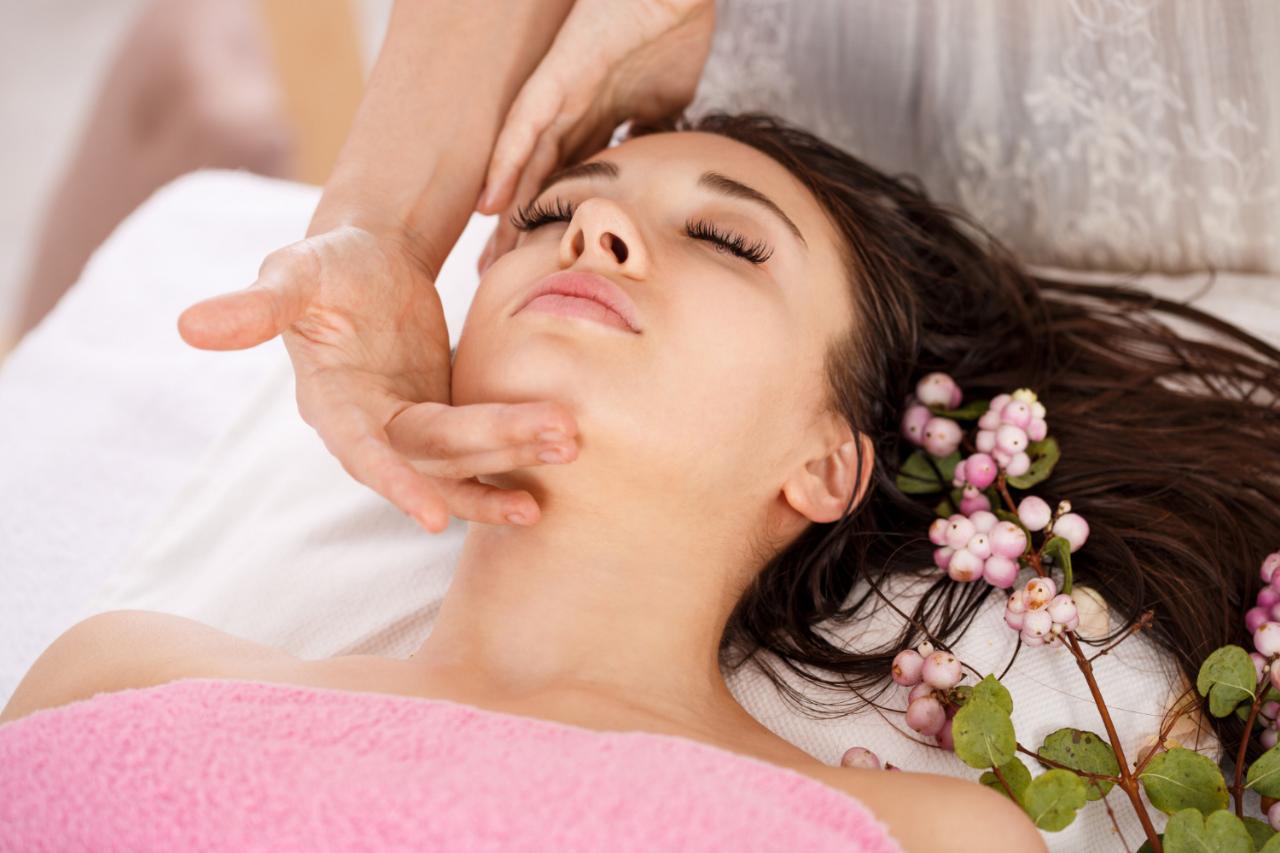
Wellness is often associated with eating healthy food, exercising regularly, and getting enough sleep. While these habits are important, feeling well involves more than physical health. It can also mean feeling comfortable in your body, managing stress, maintaining confidence, and making time for yourself.
Personal care can play a small but meaningful role in that bigger picture. For some people, it may be as simple as following a skincare routine or taking time to relax. For others, professional aesthetic treatments can become an occasional part of their self-care routine.
The important thing is to see personal care as one piece of overall well-being rather than something that needs to replace healthy lifestyle habits.
What Does a Complete Wellness Routine Look Like?
There is no universal wellness routine because everyone’s needs and circumstances are different. A person working long hours may need to prioritize sleep and stress management, while someone else may have more time to focus on exercise, hobbies, or personal care.
A balanced wellness routine can include:
- Nutritious meals and adequate hydration
- Regular physical activity
- Consistent sleep
- Stress management
- Time with family and friends
- Activities that bring enjoyment
- Regular healthcare
- Personal grooming and skincare
- Occasional professional wellness or aesthetic treatments
These areas can complement one another. For example, exercise can support physical health, while relaxation and social connections can benefit emotional well-being. Personal care can provide another opportunity to slow down and focus on yourself.
Why Personal Care Matters
It is easy to overlook personal care when life becomes busy. Work, family responsibilities, and household tasks can make it tempting to put your own needs aside.
However, taking care of yourself does not have to be selfish or extravagant. Looking after your appearance can be a way of maintaining a sense of routine and confidence.
For some people, a skincare routine may provide a few quiet minutes at the beginning or end of the day. A haircut, facial, massage, or aesthetic appointment may provide a chance to step away from everyday responsibilities.
The potential benefits can include:
- More confidence: Feeling comfortable with your appearance may influence how you carry yourself.
- Time to recharge: Personal appointments can create a designated period for yourself.
- Better self-awareness: Paying attention to your body and appearance can encourage you to notice changes that may deserve professional attention.
- A sense of routine: Regular personal care can become a positive part of your lifestyle.
- Emotional wellbeing: Doing something enjoyable for yourself may help you feel refreshed.
Of course, the experience will be different for everyone. A beauty treatment cannot solve stress, anxiety, or deeper emotional concerns, but it can be one small part of a broader approach to self-care.
Where Aesthetic Treatments Can Fit
Professional aesthetic treatments can be another option for people who want to address a specific appearance concern while maintaining a broader approach to self-care. One example is a lip filler treatment, which may be considered by adults who want to enhance lip volume, improve symmetry, or create a more defined appearance.
For some people, the appeal is not about making a dramatic change. A subtle adjustment may help them feel more comfortable or confident in their appearance. When approached thoughtfully, aesthetic care can become an occasional part of a personal wellness routine rather than something that dominates it.
The key is to approach any cosmetic procedure with realistic expectations. Aesthetic treatments are elective and are not necessary for good health. Nobody should feel pressured to change their appearance to meet a particular beauty standard.
Before choosing treatment, it is important to discuss your goals, medical history, and expectations with a qualified provider. A professional can also explain whether a particular treatment is appropriate and what kind of result may realistically be expected.
The Connection Between Appearance and Wellbeing
Appearance and emotional wellbeing can sometimes influence each other. When people feel uncomfortable about something they see in the mirror, they may become more self-conscious in photographs, social situations, or professional environments.
Addressing a personal concern does not guarantee greater happiness, but it may help some people feel more confident.
Before considering a procedure, it can help to ask:
- What specifically do I want to change?
- Am I doing this for myself?
- Do I have realistic expectations?
- Do I understand the possible risks?
- Can the treatment fit comfortably into my lifestyle?
- Have I spoken with a qualified professional?
These questions can help turn a quick beauty decision into a more thoughtful wellness choice.
Related » Body Image and Self-Esteem: The Foundation of Healthy Relationships
Personal Care Should Not Replace Healthy Habits
One of the most important things to remember is that professional aesthetic treatments cannot substitute for the basics of good health.
An extensive skincare routine does not replace the need for adequate sleep, just as regular aesthetic appointments do not stand in for exercise, balanced nutrition, and stress management. A more complete approach is about combining different habits.
Think of wellness as a collection of small choices rather than one major transformation:
- Eat foods that provide the nutrients your body needs.
- Move your body regularly.
- Give yourself enough time to rest.
- Find healthy ways to manage stress.
- Stay connected with people who support you.
- Make preventive healthcare part of your routine.
- Allow yourself some time for personal care.
There is no requirement to do everything perfectly. Consistency is more realistic than perfection.
Choosing Professional Aesthetic Care Carefully
If you decide that an aesthetic treatment is right for you, choosing the provider deserves careful consideration. A beautiful website or discounted treatment does not tell you whether a clinic provides appropriate care.
Ask about the provider’s qualifications, the treatment being recommended, expected results, potential side effects, recovery time, and aftercare.
Because some aesthetic services involve medical procedures, patients should also understand how the clinic handles medical evaluation and oversight.
Depending on the service and applicable requirements, patients may encounter a good faith exam for medical spas before receiving certain treatments. The purpose of an appropriate clinical assessment is to determine whether a particular service is suitable based on the patient’s health history and circumstances.
What is a Good Faith Exam?
A good faith exam (GFE) is a pre-treatment medical evaluation that a licensed healthcare provider conducts before you undergo a specific medical, wellness, or aesthetic procedure, confirming that the treatment suits your particular health needs and is safe to proceed with.
It is also reasonable to ask how medical supervision works. Patients should feel comfortable asking who oversees medical care and what role that professional plays in the treatment process.
Making Wellness Personal
A complete wellness routine does not have to look impressive on social media. It should work for your actual life. For one person, wellness might mean an evening walk and an early bedtime. For another, it could include a weekly exercise class, therapy, meal planning, and occasional skincare or aesthetic care.
Personal care belongs in that picture because feeling well is not about preventing illness. It is also about having a healthy relationship with yourself. Taking a few minutes to care for your appearance can be a simple reminder that your needs matter too.
Finding Your Own Balance
A commitment to wellness doesn’t require you to follow a perfect routine. It changes as your lifestyle, responsibilities, priorities, and body change.
Personal care and aesthetic treatments can be part of that journey, but they work best when viewed alongside the fundamentals of good health. Professional treatments may help some people feel more comfortable with their appearance, while healthy habits provide the foundation for long-term wellbeing.
The best wellness routine is one that supports the whole person: physical health, emotional balance, confidence, relationships, lifestyle, and personal satisfaction.
Taking care of yourself does not require doing more — it can mean making space for yourself in the life you already have.
 Spot an error in this article? A typo maybe? Or an incorrect source? Let us know!