
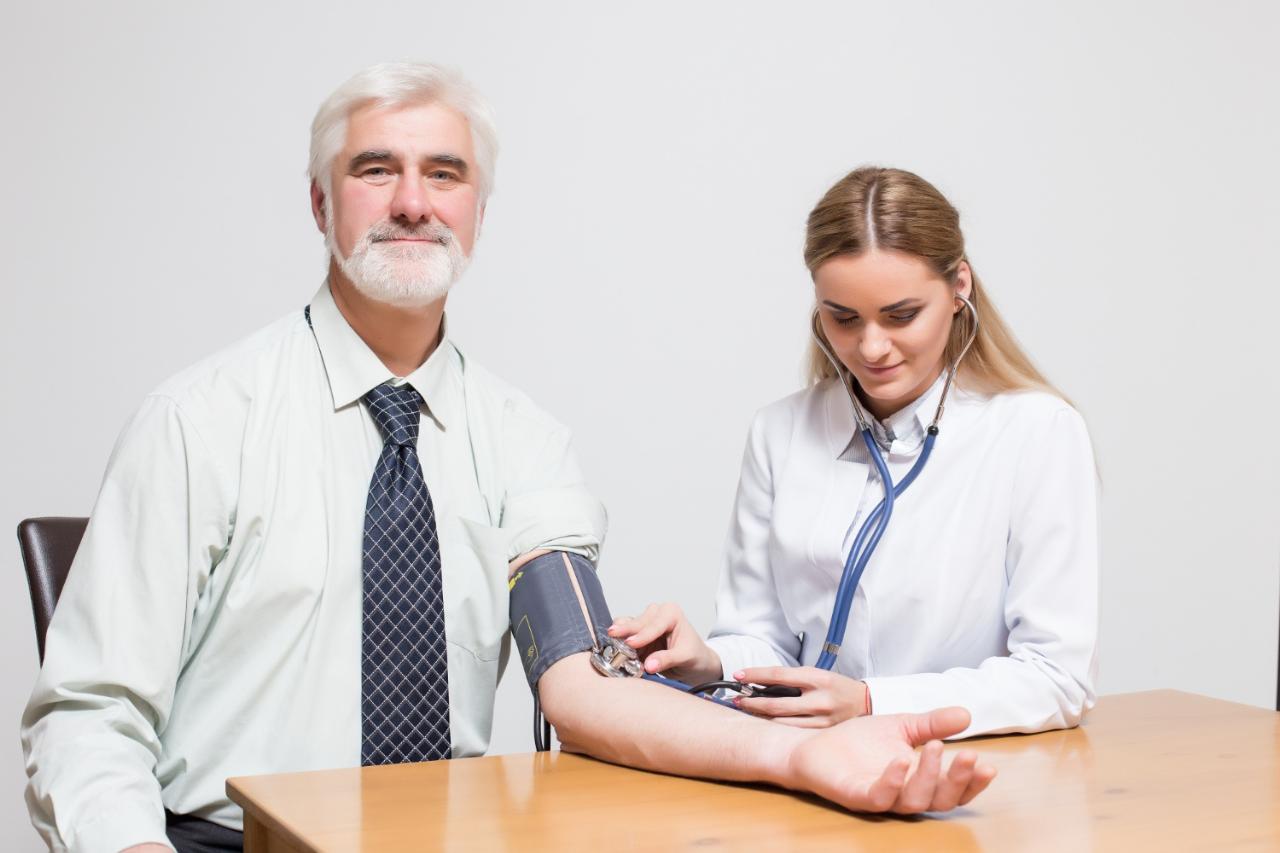
When we think about workplace wellbeing, our minds tend to go to gym memberships, mental health days, or standing desks. These things matter. But there is a quieter, more fundamental layer of workplace health that most of us never see, one driven by a profession few employees interact with directly.
Occupational health nurses are the healthcare professionals working behind the scenes to keep workplaces safe and employees healthy. Their role has expanded significantly in recent years, and understanding what they do can change how you think about the relationship between work and wellbeing.
What Does an Occupational Health Nurse Actually Do?
An occupational health nurse is a registered nurse who specializes in the health of people at work. Their scope is broad, covering everything from injury prevention and health surveillance to rehabilitation and wellness promotion.
In practice, their day-to-day work might include conducting pre-employment health assessments, monitoring workers exposed to hazardous substances, managing return-to-work programs for injured employees, and advising businesses on how to reduce health risks across their operations.
Unlike a GP or hospital nurse, an occupational health nurse approaches health in the context of the workplace. They consider not just whether someone is unwell, but whether their work environment is contributing to that illness, and what can be changed to prevent it from happening again.
Why Occupational Health Nursing Is on the Rise
Several shifts in the modern workplace have pushed occupational health nursing further into the spotlight.
Changing work environments. The rise of remote and hybrid work has created new health challenges. Sedentary behavior, poor home workstation setups, and blurred boundaries between work and personal life are contributing to musculoskeletal issues, fatigue, and mental health concerns. Occupational health nurses help organizations address these risks proactively rather than reactively.
Greater regulatory expectations. Workplace health and safety legislation continues to evolve. Employers are increasingly expected to demonstrate that they are actively managing health risks — not just physical hazards, but psychosocial risks like stress, bullying, and workload pressure. Occupational health nurses play a central role in helping businesses meet these obligations.
An ageing workforce. As the workforce ages, the prevalence of chronic health conditions among employees also grows. Managing conditions like diabetes, cardiovascular disease, and arthritis in the context of someone’s work requires specialist knowledge that sits at the intersection of clinical care and occupational risk — exactly where these nurses operate.
Mental health awareness. Employers are paying more attention to psychological health at work, but many lack the expertise to manage it effectively. Occupational health nurses are trained to identify early signs of burnout, anxiety, and depression in the workplace and to recommend interventions before issues escalate.
Related » The Hidden and Obvious Dangers of Sitting Too Long
Occupational Health vs. Workplace Wellness Programs
There is an important distinction between a corporate wellness program and genuine occupational health practice.
Wellness programs — think fruit boxes in the kitchen, step challenges, and meditation apps — are valuable for engagement and morale. But they tend to focus on individual lifestyle choices. Occupational health takes a different approach. It looks at the work itself: the tasks, the environment, the exposures, and the systems — and asks whether they are designed in a way that protects health.
An occupational health nurse might assess whether shift work patterns are increasing fatigue-related incidents, whether noise levels in a workshop require hearing surveillance, or whether a sedentary role is creating long-term musculoskeletal risks. The focus is on the interaction between the person and their work, not just personal habits.
Both approaches have value, but they serve different purposes. A wellness program encourages healthy choices. Occupational health ensures the work itself is not making people unwell.
Related » Boredom and Burnout: The Two Sides of a Coin
What This Means for Employees
Most employees will never meet their company’s occupational health nurse directly — much of the work happens at a systems level, influencing policies, risk assessments, and workplace design. But the impact is felt in tangible ways.
Health checks for employees in high-risk roles? Likely designed by an occupational health professional. A structured return-to-work process after injury or illness? An occupational health nurse may have built the framework. Monitoring and control of hazardous substances? That surveillance program is part of their remit too.
In short, occupational health nurses work to ensure that your job does not compromise your health, and that if something does go wrong, there is a pathway back to safe and sustainable work.
The Quiet Force Behind Workplace Wellbeing
Occupational health nursing sits at the intersection of healthcare and workplace safety, combining clinical expertise with a deep understanding of how work affects the body and mind. As workplaces become more complex and health expectations rise, the demand for this expertise is only growing.
For anyone interested in holistic wellbeing, it is worth recognizing that health does not stop at the office door. The conditions we work in — the hours, the exposures, the physical demands, the psychological pressures — shape our health just as much as diet and exercise. Occupational health nurses are the professionals making sure that connection is not overlooked.
 Spot an error in this article? A typo maybe? Or an incorrect source? Let us know!