
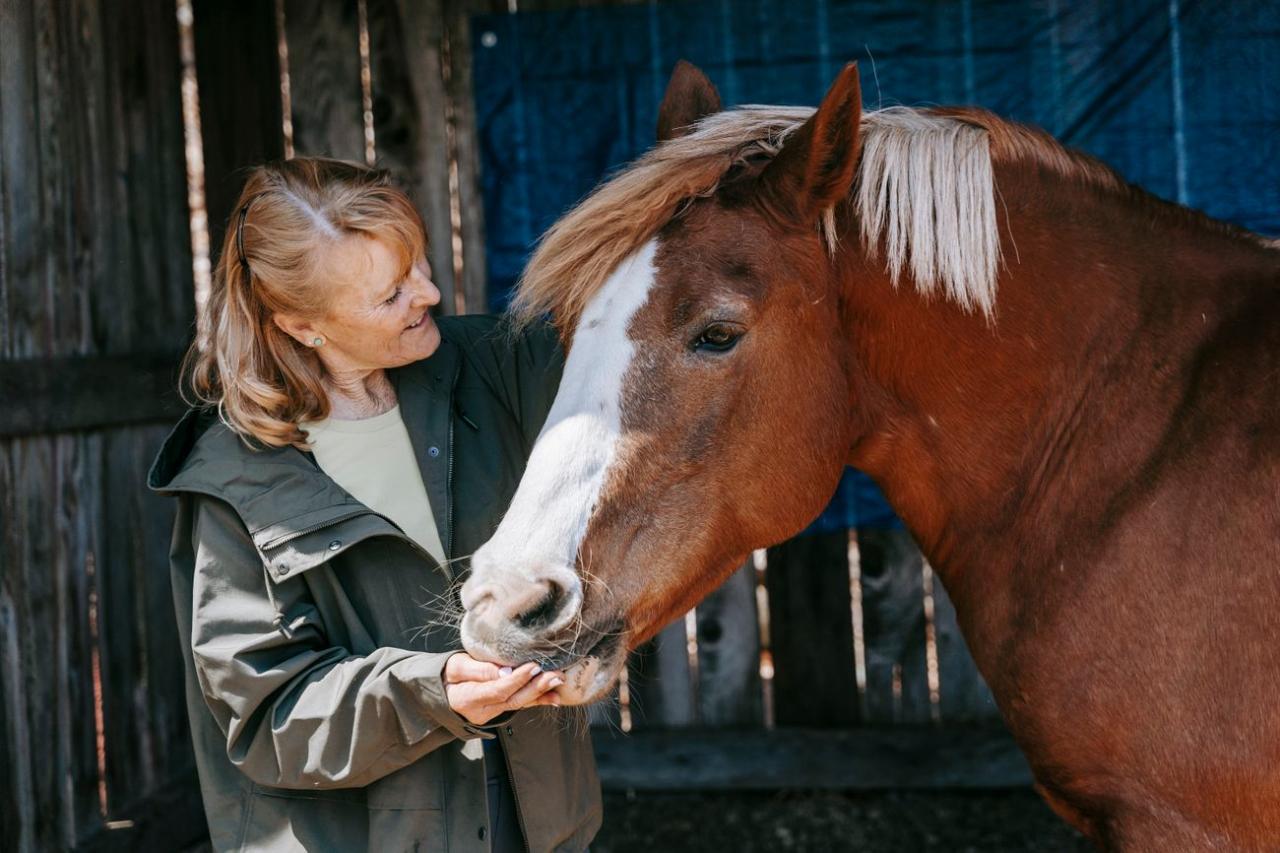
The first time someone hears that part of their treatment might involve a horse, the reaction is usually a raised eyebrow. It sounds like a nice add-on, the sort of thing a fancy program offers so it can put a photo of a paddock on its website.
The reality is more interesting than that, and for certain people it addresses what talk therapy alone struggles to reach. Equine therapy has become a serious part of mental health and addiction care.
This is a plain look at what equine therapy is, how it works, and who tends to benefit most, without the mysticism that surrounds it.
What Equine Therapy Is
Equine therapy, sometimes called equine-assisted therapy, is a form of treatment that involves structured activities with horses, guided by a trained therapist. One point needs clarity up front: riding plays a minor role.
Most of the work happens on the ground. A person might lead a horse, groom it, feed it, or observe how the animal responds to them. A mental health professional is present throughout, using what happens between person and horse as material to work with, the same way a therapist might use anything else that comes up in a session.
The horse makes the approach work, for reasons that become clear once you understand how these animals behave.
Why Horses, of All Animals
Horses are large, sensitive prey animals, a combination that proves useful in therapy. Because they are prey animals, horses read their environment for signals and respond to the emotional state of the person near them. If you are anxious and pretending you are fine, the horse tends to respond to the anxiety and ignore the performance. That gives a person immediate, unfiltered feedback about what they project, which is difficult to dispute or fake.
They do not judge or hold grudges, and they carry none of the social complications that make human interaction difficult for someone who has been hurt. For a person who has learned to distrust people, a horse can be a safer first step toward trust.
Programs built around this model, including treatment centers with an equine program, rely on this dynamic and give the animal a working role.
What a Session Looks Like
The specifics vary, but a typical session follows the same sequence. A person is given a task with the horse, works through it, and then talks with the therapist about what happened and what it brought up.
- An activity, such as leading the horse through a simple course or getting it to stand calmly
- Observation of how the horse reacts and how the person feels doing it
- Reflection with the therapist about the emotions, patterns, and reactions that surfaced
- Connection back to the person’s own life, relationships, and recovery
The point is to notice how you approach a living thing that gives honest feedback, and what that reveals about you.
Who It Helps
An honest answer matters here, since equine therapy is not a cure-all and suits some people better than others.
Those who tend to benefit most deal with trauma, PTSD, anxiety, or substance use disorders, especially when talking alone has not been enough. The research is still developing, but it is promising.
A scoping review of equine-assisted services for people with substance use disorders reported reductions in psychological distress and indications that the services may help people remain in treatment, one of the hardest parts of recovery.
Equine therapy also reaches people who shut down in a traditional office. Teenagers who refuse to talk, veterans carrying trauma, and anyone who finds a therapy room clinical and cold sometimes open up in a barn in ways they would not across a desk.
Equine work belongs to a wider family of hands-on methods and complements the mind-body practices used in addiction recovery, which help people reconnect with themselves.
What Equine Therapy Is Not
A few caveats keep expectations realistic. Equine therapy almost always complements treatment and works alongside therapy, medical care, and the rest of a recovery plan.
It differs from spending pleasant time with animals because it involves structure, a trained professional, and therapeutic work, which separates it from a petting zoo. Because it is specialized, it is unavailable in many places, so ask whether a program has qualified staff and not only horses on the property.
Deciding Whether Equine Therapy Fits You
Equine therapy is a structured, increasingly evidence-supported approach that uses an honest animal to reach parts of a person that words alone sometimes cannot access. It helps most when someone is carrying trauma or struggling with substance use and has found that talking alone was not enough.
If that describes you or someone you love, look for a program that offers it with trained therapists.
Related » Pets: Friends With Benefits
Frequently Asked Questions on the Role of Horses in Therapy
Do I have to ride the horse?
Usually not. Most equine therapy happens on the ground, through activities like leading, grooming, and observing the horse. Many programs involve no riding.
Is equine therapy backed by research?
The evidence base is still growing, but existing studies point to reductions in anxiety and psychological distress, and better treatment retention, particularly for trauma and substance use. It is best viewed as a promising complement to other treatment.
Who is equine therapy best for?
People dealing with trauma, PTSD, anxiety, or addiction, especially those who have not responded well to talk therapy alone. It is also useful for people who find it difficult to open up in traditional therapy settings.
Can equine therapy replace regular treatment?
No. It is designed to work alongside therapy, medical care, and a full recovery plan. Think of it as one tool within a larger program.
 Spot an error in this article? A typo maybe? Or an incorrect source? Let us know!