
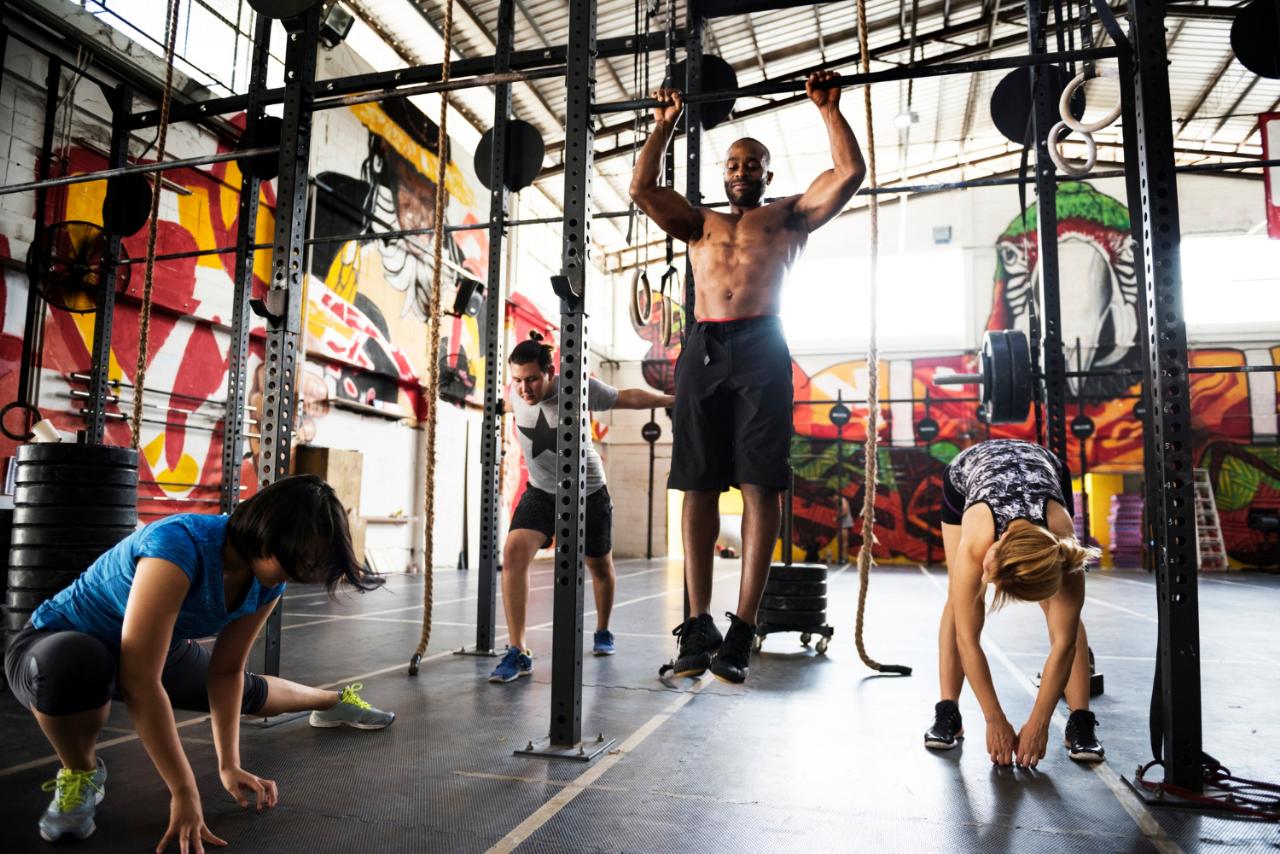
When people think about gym safety, the first things that come to mind are well-maintained treadmills, orderly weight racks, clean changing rooms, and instructors who can demonstrate exercises with good form. All of these matter, but modern fitness center safety extends beyond them.
The scale of gym use gives that broader approach real weight. According to the UK Health & Fitness Market Report 2026, a record 12.2 million people over the age of 16 are members of a UK health and fitness club. Fitness facilities recorded around 679 million visits in 2025, a 10% increase from 2024, and membership penetration reached 18% of the population. For fitness centers, creating a safe environment means thinking about the entire member journey, from entering the building to dealing with an emergency.
Gym Safety Starts at the Entrance
A safe workout environment begins before someone reaches the exercise floor. Gyms need to know who is entering the facility, and that need grows for those that operate early in the morning, late at night, or around the clock. Allowing members to come and go freely is convenient, but uncontrolled entry can create problems such as membership sharing, tailgating, theft, and unauthorized visitors. Modern entry systems let fitness centers offer flexibility while verifying members. The aim is to limit access to people who are supposed to be there while keeping entry convenient.
Gym Access Control Supports Safer 24-Hour Fitness
As fitness centers expand their operating hours, managing who can enter different spaces becomes part of member safety, and modern gym access control lets operators assign entry according to the individual, location, role, and permitted schedule. The system supports mobile, card, and PIN credentials while connecting access events with video, and operators can manage credentials and review access activity through a centralized platform, including across multiple locations. In 24-hour gyms, where staff may not be stationed at reception, a well-designed system makes entry easier for authorized members while helping staff identify unusual activity.
Preventing Tailgating and Credential Sharing
A valid credential does not guarantee that only one person enters. A member may hold the door for a friend or share access with someone who has no active membership. Besides creating a revenue issue, unauthorized entry undermines safety because staff may not know who is inside the facility. Clear membership policies, suitable entrance design, access records, and staff awareness all help reduce the problem while keeping the atmosphere welcoming and preventing flexibility from turning into uncontrolled access.
Visitor Management Should Not Be an Afterthought
Fitness centers receive people who are not regular members: prospective members arrive for tours, contractors maintain equipment, delivery drivers enter service areas, and guests accompany existing members. A busy reception desk makes it difficult to keep track of everyone by hand, so gyms need clear visitor procedures that define where visitors can go, whether they need to be accompanied, and how temporary entry is managed. This applies to contractors who need access to mechanical rooms, storage areas, offices, or facilities outside normal business hours, and temporary access should expire once it is no longer required instead of remaining active until someone remembers to remove it.
Restricted Staff Areas Need Protection Too
Most fitness centers contain spaces that go unnoticed by members. There may be administrative offices containing personal information, stockrooms holding products and equipment, supply rooms containing chemicals, IT rooms, or maintenance areas containing tools. These spaces should not be open to everyone who has entered the gym. Role-based permissions can help ensure that trainers, cleaning teams, contractors, managers, and members have access to the areas relevant to them, and they extend beyond the main entrance to staff offices, equipment storage, and maintenance rooms. This is a security issue and a safety issue, since preventing accidental entry into a maintenance or equipment room reduces exposure to risks that members may not recognize.
Emergency Planning Matters as Much as Prevention
Prevention cannot stop every incident. A member could become unwell, suffer an injury, encounter another person in distress, or discover a fire or other emergency, and gyms need a clear response plan in addition to preventive measures. Staff should know how to summon emergency assistance and where first-aid equipment is located. Automated external defibrillators, where provided, should be easy to identify and access. Emergency exits must remain clear, and members should not encounter locked or confusing routes when evacuation is necessary.
For unstaffed or lightly staffed gyms, emergency planning requires attention to how members can call for assistance and how an incident will be escalated when no employee is nearby.
Related Article » A Quick Guide to Treating Workout Injuries
Cameras Should Support Safety While Respecting Privacy
Video surveillance helps fitness centers review theft, unauthorized entry, accidents, disputes, and other incidents, yet gyms contain areas where members have a strong expectation of privacy. Camera placement needs planning: entrances, reception areas, corridors, parking areas, and general exercise floors may have legitimate security reasons for monitoring, while changing and shower areas call for stronger privacy protections. Clear rules covering who can access recordings and how long footage is retained keep the monitoring appropriate to its purpose.
Safety Should Be Part of the Gym Culture
Technology supports a safe fitness center, and staff need appropriate training and members need clear guidance, while managers need procedures for responding when something goes wrong. Regular reviews can help identify changing risks, such as a poorly lit entrance, an obstructed emergency exit, overcrowding at certain times, unauthorized entry, or members feeling uncomfortable when exercising during off-peak hours. Encouraging members to report concerns can reveal issues that security systems cannot identify on their own. When safety is part of everyday operations, problems surface through reviews and member reports before they turn into incidents.
FAQs
Why does gym safety involve more than equipment maintenance?
Members interact with entrances, changing facilities, corridors, parking areas, staff, visitors, and other gym users. Safety therefore includes physical security, emergency readiness, privacy, access management, and equipment condition.
How can gyms make 24-hour access safer?
Gym access control lets gyms verify member entry, restrict unauthorized visitors, establish emergency procedures, monitor appropriate common areas, and ensure members have a way to request help during unstaffed hours.
Should all employees have access to every part of a gym?
No. Access can be based on job responsibilities so employees and contractors enter the areas they need.
Can security cameras be used in fitness centers?
They can be useful in appropriate areas such as entrances and general circulation spaces, but operators need to respect privacy expectations and applicable data protection requirements.
Why is visitor management important for gyms?
It helps operators understand who is in the facility and prevents temporary visitors or contractors from receiving unnecessary or permanent access.
Conclusion
Members who feel safe stop thinking about safety and give their attention to the workout, and every arrangement described above serves that outcome. Equipment maintenance remains essential, yet the trust that keeps members coming back is built by the systems around the equipment. As more people use gyms and opening hours grow longer, convenient access and protection work together in a facility where members can focus on their wellbeing.
Also Read » Pre-workout Routine: 7 Habits to Maximize Your Exercise Gains
 Spot an error in this article? A typo maybe? Or an incorrect source? Let us know!