
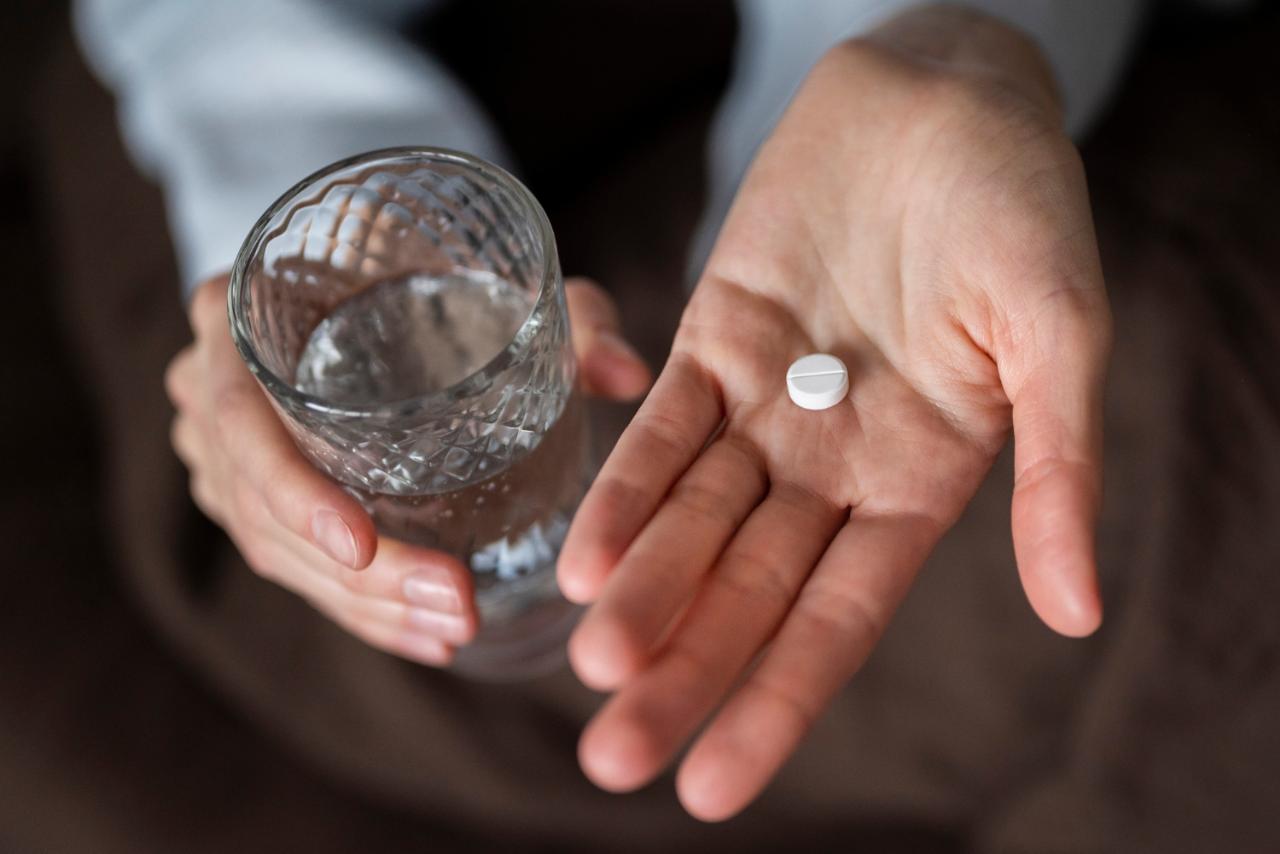
If you’ve been taking corticosteroids like prednisone, dexamethasone, or hydrocortisone for more than a few weeks, your doctor has likely mentioned the importance of tapering off slowly rather than stopping abruptly. But do you truly understand why? The answer lies in how these powerful medications fundamentally change your body’s natural hormone production—and why rushing the process can lead to serious health consequences.
Corticosteroids are prescribed for dozens of conditions, from autoimmune diseases like rheumatoid arthritis and lupus to respiratory conditions like severe asthma and COPD. They’re also used to manage inflammatory bowel disease, certain skin conditions, and to prevent organ rejection after transplants. These medications are genuinely life-changing for many people, reducing inflammation and controlling symptoms that would otherwise be debilitating.
However, the same mechanisms that make corticosteroids so effective also create a dependency that your body must carefully unwind. Understanding this process empowers you to work effectively with your healthcare team and recognize what’s happening in your body during the transition.
How Corticosteroids Suppress Your Natural Hormone Production
Your adrenal glands, two small organs sitting atop your kidneys, produce cortisol—often called the “stress hormone.” Cortisol regulates numerous essential functions: blood pressure, blood sugar levels, immune response, metabolism, and your body’s reaction to stress. Your body produces cortisol in a carefully orchestrated rhythm, with levels highest in the morning and lowest at night.
When you take synthetic corticosteroids, your body detects these elevated steroid levels and responds logically: it reduces its own cortisol production. Why make something you already have in abundance? This makes perfect sense from your body’s perspective—it’s conserving resources and maintaining balance.
The problem emerges when you’ve been on corticosteroids long enough that your adrenal glands have essentially gone dormant. The medical term is hypothalamic-pituitary-adrenal (HPA) axis suppression. The communication pathway between your brain and adrenal glands has been interrupted, and your glands have “forgotten” how to produce adequate cortisol on their own.
This suppression can occur after as little as two to three weeks of moderate-to-high-dose corticosteroid use, though individual responses vary. Some people experience suppression sooner; others maintain some adrenal function even with longer use. Factors like dosage, duration, individual physiology, and even the time of day you take your medication all influence how significantly your natural production is affected.
What Happens When You Stop Too Quickly
Imagine your adrenal glands as muscles that haven’t been used in months. You wouldn’t expect to run a marathon immediately after removing a leg cast, would you? Similarly, your adrenal glands need time to regain their strength and resume normal function.
When corticosteroids are stopped abruptly or tapered too quickly, you experience what’s called adrenal insufficiency—your body simply doesn’t have enough cortisol to function properly. The symptoms can range from uncomfortable to dangerous:
Fatigue and weakness are typically the first signs you’ll notice. This isn’t ordinary tiredness—it’s a profound exhaustion that doesn’t improve with rest. You might struggle to complete basic daily activities or feel like you’re moving through molasses.
Body aches and joint pain often develop, sometimes mimicking the original condition the steroids were treating. This can be confusing and distressing, leading some people to wonder if their underlying disease is flaring.
Nausea, vomiting, and loss of appetite are common, sometimes accompanied by abdominal pain. These gastrointestinal symptoms can make it difficult to maintain proper nutrition during an already challenging time.
Mood changes including depression, anxiety, and irritability frequently occur. The emotional impact shouldn’t be underestimated—many people describe feeling unlike themselves, experiencing mood swings that seem disproportionate to their circumstances.
Low blood pressure and dizziness, especially when standing, can develop because cortisol helps regulate blood pressure. You might feel lightheaded or even faint when getting up from sitting or lying down.
Low blood sugar may occur since cortisol plays a role in maintaining glucose levels. This can cause shakiness, confusion, rapid heartbeat, and sweating.
In severe cases, abrupt steroid cessation can trigger an adrenal crisis—a life-threatening emergency characterized by severe weakness, confusion, pain, sudden drop in blood pressure, and loss of consciousness. This is why medical supervision during the tapering process is absolutely essential.
The Art and Science of Steroid Tapering
When it comes to tapering off corticosteroids, there’s no universal schedule that works for everyone. Your doctor considers multiple factors when designing your taper: how long you’ve been on steroids, your dosage, your underlying condition, your age and overall health, and how you respond to each dose reduction.
Generally, if you’ve been on corticosteroids for less than three weeks, you may be able to stop without tapering. Beyond that time frame, a gradual reduction becomes necessary. The longer you’ve been on steroids and the higher your dose, the slower and more careful your taper needs to be.
A typical taper might reduce your dose by 10-20% every one to two weeks, but this varies considerably. Some people need much slower tapers—reducing by just 5% every few weeks or even monthly. Others can taper more quickly without problems. Your healthcare provider might adjust the schedule based on how you’re feeling and, in some cases, blood tests measuring your cortisol levels.
The tapering process requires patience and careful attention to your body’s signals. Many people find the transition challenging not just physically but emotionally. The symptoms you experience during tapering can feel discouraging, especially when you were hoping to feel better after stopping the medication. Understanding the physiological processes at work—and recognizing that these symptoms are temporary—helps you maintain perspective during difficult moments.
Supporting Your Body During the Transition
While there’s no way to force your adrenal glands to recover faster, you can support your body through the tapering process and potentially ease some symptoms.
Prioritize sleep and rest. Your body does much of its healing and hormone regulation during sleep. Aim for 7-9 hours nightly, and don’t hesitate to rest during the day if you need it. This isn’t laziness—it’s necessary recovery.
Manage stress carefully. Because your body’s stress response system isn’t functioning normally during tapering, additional stressors can feel overwhelming. This is a time to simplify your life where possible, say no to non-essential commitments, and practice stress-reduction techniques like deep breathing, meditation, or gentle yoga.
Maintain good nutrition. Focus on balanced meals with adequate protein, healthy fats, and complex carbohydrates. Some people find eating smaller, more frequent meals helps manage blood sugar fluctuations. Stay well-hydrated, and consider increasing your salt intake slightly if you’re experiencing low blood pressure (but check with your doctor first).
Exercise gently. While intense exercise might feel impossible during tapering, gentle movement like walking can help with mood, energy, and overall wellbeing. Listen to your body and don’t push beyond what feels manageable.
Communicate with your healthcare team. Keep your doctor informed about your symptoms, especially if they’re severe or worsening. Don’t tough it out if you’re struggling—your taper schedule may need adjustment.
When Withdrawal Becomes More Complex
For some individuals, the challenges of tapering corticosteroids extend beyond straightforward physiological adjustment. This is particularly true for people who have developed psychological dependence on these medications or who are simultaneously managing substance use concerns.
Corticosteroids can produce mood-elevating effects, increased energy, and even euphoria in some people—particularly at higher doses. While these aren’t considered classically addictive substances, some individuals may find themselves psychologically attached to these feelings or anxious about losing the symptom relief the medications provide. The experience of prednisone withdrawal can be particularly challenging for those who have concurrent mental health conditions or histories of substance use, as the physical and emotional symptoms may trigger or exacerbate other struggles.
If you’re finding the psychological aspects of tapering especially difficult—experiencing severe anxiety about dose reductions, obsessive thoughts about the medication, or using the emotional effects of steroids to cope with other life challenges—it’s important to discuss these concerns openly with your healthcare provider. Additional mental health support during the tapering process can make a significant difference in your success and wellbeing.
Recognizing When You Need Emergency Care
While most people navigate steroid tapering with manageable symptoms, you need to know the warning signs that require immediate medical attention. Seek emergency care if you experience:
Severe weakness or fatigue that prevents you from getting out of bed or caring for yourself; persistent vomiting or diarrhea that prevents you from keeping down food or fluids; confusion, disorientation, or loss of consciousness; severe abdominal, back, or leg pain; very low blood pressure or rapid heartbeat; or symptoms of low blood sugar that don’t improve with eating.
These symptoms could indicate an adrenal crisis, which requires immediate treatment with intravenous corticosteroids and fluids. This is a medical emergency—don’t wait or try to manage these symptoms at home.
The Long Road to Recovery
After you’ve successfully completed your taper and stopped taking corticosteroids entirely, your adrenal glands may still need additional time to fully recover. Complete recovery of the HPA axis can take anywhere from a few weeks to a year or more, depending on how long you were on steroids and your individual physiology.
During this recovery period, your body may still struggle to produce adequate cortisol during times of stress—illness, injury, surgery, or significant emotional stress. Your doctor might recommend carrying an emergency supply of corticosteroids and wearing a medical alert bracelet indicating your recent steroid use. If you become ill or need surgery within a year of stopping long-term corticosteroids, inform your healthcare providers—you may need temporary “stress doses” of steroids to prevent adrenal insufficiency.
Some doctors perform ACTH stimulation tests to assess adrenal function recovery. This test involves measuring your cortisol levels before and after receiving synthetic ACTH (the hormone that signals your adrenal glands to produce cortisol). The results help determine whether your adrenal glands have regained normal function or still need more time.
Looking Forward: Life After Corticosteroids
Successfully tapering off corticosteroids represents a significant achievement. You’ve navigated a complex physiological challenge that required patience, self-awareness, and persistence. As your body regains its natural hormone balance, you’ll likely notice gradual improvements in energy, mood, and overall wellbeing.
Some people find they need to return to corticosteroids if their underlying condition flares. This doesn’t represent failure—it’s simply the reality of managing certain chronic conditions. If you do need to restart steroids, you and your doctor will have learned from your previous tapering experience, which can inform future treatment decisions.
For others, stopping corticosteroids marks a permanent transition. Perhaps your condition has gone into remission, or alternative treatments have proven effective. Either way, the experience of tapering teaches valuable lessons about your body, the importance of gradual change, and the remarkable capacity for physiological adaptation and healing.
Advocating for Yourself Throughout the Process
Your relationship with your healthcare provider is crucial during the tapering process. You are the expert on your own experience—how you’re feeling, what symptoms you’re experiencing, and what feels manageable versus overwhelming. Your doctor brings medical knowledge and clinical experience. Together, you form a partnership that guides the tapering process.
Don’t hesitate to speak up if your taper schedule feels too aggressive. Some doctors may not fully appreciate how challenging the symptoms can be, or they may be working from standardized protocols that don’t account for individual variation. If you’re struggling significantly, advocate for a slower taper. Conversely, if you’re tolerating dose reductions well, you might discuss whether a slightly faster schedule is appropriate.
Keep a symptom journal during your taper. Note your dose, the date of each reduction, and any symptoms you experience. This record helps you identify patterns and provides concrete information for discussions with your doctor. It also helps you see progress over time, which can be encouraging during difficult periods.
Remember that this process is temporary. The symptoms you’re experiencing, while uncomfortable or even distressing, represent your body’s journey back to its natural balance. Each dose reduction is a step toward independence from these medications and toward your body’s own resilience. With patience, support, and careful medical supervision, you can successfully navigate this transition and emerge with your health and wellbeing intact.
The experience of tapering off corticosteroids often provides unexpected insights—about your body’s remarkable adaptive capacities, about the importance of patience with physiological processes, and about your own strength in facing uncomfortable challenges. These lessons extend far beyond this particular medication, informing how you approach health challenges throughout your life. Trust the process, trust your body’s ability to heal, and trust that with time and proper support, balance will be restored.
 Spot an error in this article? A typo maybe? Or an incorrect source? Let us know!