
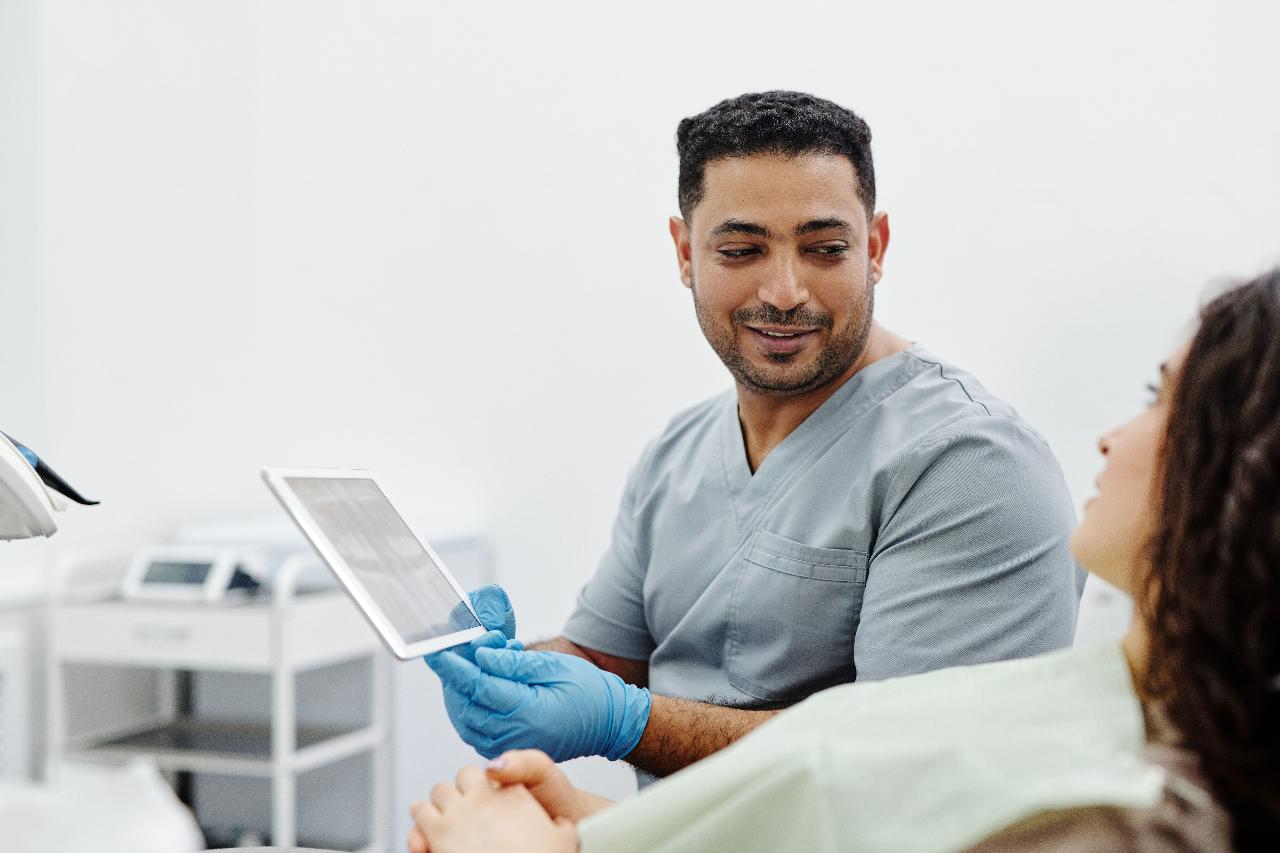
Nursing has always changed alongside medicine, but the current shift feels unusually broad. Technology is altering how nurses document, monitor, and communicate. Staffing pressures are forcing hospitals to rethink scheduling and retention. Advanced practice roles are expanding, while an aging population is changing the type of care patients need. Even nursing education is adapting. For current and future nurses, understanding these developments matters because the profession they enter today may look considerably different a decade from now.
Technology Is Becoming Part of Everyday Nursing Practice
Some of the most important changes in nursing are happening quietly during ordinary shifts. Artificial intelligence can assist with documentation and clinical decision support, remote monitoring can provide information without requiring a patient to remain in a hospital, and virtual platforms increasingly connect nurses with people outside traditional care settings.
These nursing trends do not mean technology is replacing the nurse at the bedside. Instead, nurses increasingly need enough digital fluency to understand what these tools can and cannot do. AI-generated information still requires professional judgment, while automated alerts are useful only when clinicians understand their context.
The American Nurses Association has raised concerns about issues including algorithmic bias, unclear accountability, and excessive reliance on AI recommendations. The challenge is therefore not simply adopting new technology. Healthcare organizations need nurses involved in deciding how it should be used.
Virtual Nursing Is Expanding the Meaning of the Workplace
The hospital floor is no longer the only place where meaningful nursing care occurs. Telehealth nurses can triage patients, provide education, conduct follow-ups, support chronic disease management, and help determine when someone needs in-person treatment. Remote monitoring adds another dimension by allowing clinical teams to follow certain patient measurements from a distance.
Virtual nursing is also appearing inside hospitals. A remote nurse might assist with admissions, discharge education, documentation, or patient questions while bedside nurses handle responsibilities requiring physical presence.
This can create more flexibility in how healthcare organizations use experienced staff. A nurse who can no longer tolerate physically demanding bedside work, for instance, may still possess years of clinical judgment that are valuable in a virtual role. The technology changes the setting but the need for nursing judgment remains.
Artificial Intelligence Is Moving From Experiment to Practical Tool
AI in healthcare attracts plenty of dramatic predictions, but its everyday uses may prove more important. Nurses can encounter AI in clinical decision-support systems, documentation tools, patient engagement platforms, scheduling systems, and technologies that identify changes in patient risk.
The practical appeal is obvious. Nurses spend substantial time documenting care and navigating administrative processes. Tools capable of reducing repetitive work could return some of that time to patients.
There are limits. AI can produce incorrect information, reflect bias in underlying data, or encourage overconfidence when its recommendations appear authoritative. Nurses therefore need to become competent users rather than passive recipients of algorithmic advice. Healthcare technology will continue evolving but clinical accountability cannot simply be handed to software.
Staffing Shortages Are Forcing Hospitals to Rethink Retention
The nursing workforce remains under pressure even as interest in nursing education continues. The American Association of Colleges of Nursing reports that the registered nursing workforce is projected to grow from about 3.39 million in 2024 to 3.56 million in 2034. Yet hospitals continue dealing with vacancies and turnover, while retirements and growing healthcare demand create additional pressure.
That has shifted attention from recruitment alone toward retention. Hospitals are experimenting with scheduling arrangements, improved break coverage, wellness initiatives, career-development opportunities, and other approaches intended to make nursing jobs more sustainable.
The calculation is straightforward. Constantly replacing experienced nurses is expensive and disruptive. Keeping skilled nurses requires organizations to examine workload, scheduling, management, safety, and professional development rather than assuming compensation alone will solve every staffing problem.
Advanced Practice Nurses Are Taking Larger Roles
The growth of nurse practitioners is another major change. Nurse practitioners now work throughout primary care, hospitals, specialty practices, outpatient centers, and other healthcare environments. Depending on state law, some have considerable autonomy in diagnosing conditions, prescribing medications, and managing patient care.
Demand is expected to remain strong. This is particularly important as the population ages and many communities continue struggling with access to healthcare professionals.
For registered nurses, it also creates a clearer route toward advanced clinical responsibility. Graduate education can open opportunities in family practice, adult-gerontology care, mental health, pediatrics, and other specialties. Not every nurse will want that path, but the growing presence of advanced practice nurses is changing how healthcare teams divide clinical responsibilities.
An Aging Population Is Changing What Nurses Need to Know
America is getting older, and nursing practice will increasingly reflect that reality. Older adults often manage several conditions simultaneously. A patient may be dealing with diabetes, cardiovascular disease, mobility limitations, medications from several specialists, and cognitive changes at the same time. This complexity requires more than expertise in one diagnosis.
Nurses working with older populations need strong abilities in medication management, fall prevention, chronic disease education, care coordination, mobility, and communication with families and caregivers.
Demand extends beyond hospitals. Home health, long-term care, outpatient services, rehabilitation, hospice, and community-based care all become increasingly important as more people live longer with chronic conditions.
Gerontological knowledge is consequently becoming relevant even for nurses who do not formally specialize in older-adult care.
Nursing Education Is Becoming More Flexible and More Necessary
The traditional picture of nursing education—a student attending classes on campus before entering the workforce—is no longer the only route. Working nurses increasingly have access to online and hybrid degree programs that allow academic study to fit around employment. Clinical education still requires appropriate hands-on preparation, but many theoretical components can be delivered differently.
At the same time, demand for advanced education is creating another problem: schools need enough faculty and clinical training capacity.
In 2025, U.S. nursing schools turned away more than 92,000 qualified applications from baccalaureate and graduate programs because of constraints including faculty shortages, limited clinical sites, classroom space, preceptors, and budgets. That creates an unusual bottleneck. Healthcare needs more nurses, but educating more nurses requires enough experienced professionals willing and qualified to teach them.
Burnout Is Being Treated More Like an Organizational Problem
Burnout used to be discussed largely through personal coping strategies — sleep more, exercise, practice mindfulness, take a vacation. These things may help individuals, but they cannot repair chronic under-staffing, unsafe workloads, poor management, or schedules that make recovery difficult.
Healthcare organizations are increasingly being pushed to examine the conditions surrounding burnout rather than treating exhausted nurses as people who simply need better resilience.
Staffing models, shift design, workplace safety, administrative burden, leadership quality, and access to mental health support all belong in the conversation. They matter because burnout has consequences beyond employee satisfaction. Experienced nurses who leave take clinical knowledge with them, and remaining staff inherit additional pressure. No wonder, retention and wellbeing have become operational concerns.
Nursing Is Becoming More Specialized Without Losing Its Human Core
The future nurse may work with AI-supported systems, communicate with patients remotely, interpret information from wearable devices, coordinate increasingly complex chronic care, or move into an advanced practice role. That creates a profession requiring wider technical and analytical capabilities.
Yet, the fundamental value of nursing remains difficult to automate. Patients still need someone who notices subtle signs, asks the question that was missing from the chart, explains confusing information, recognizes fear behind a patient’s response, and decides when technology is providing an incomplete picture.
The most significant change may therefore be the combination of old and new skills. Nurses will need greater digital literacy, adaptability, advanced education, and comfort with evolving models of care. At the same time, healthcare systems will continue relying on the clinical judgment and human interaction that made nursing essential long before artificial intelligence, telehealth, and remote monitoring entered the vocabulary.
The tools are changing quickly and the nursing profession is expanding with them rather than simply being replaced by them.
 Spot an error in this article? A typo maybe? Or an incorrect source? Let us know!