
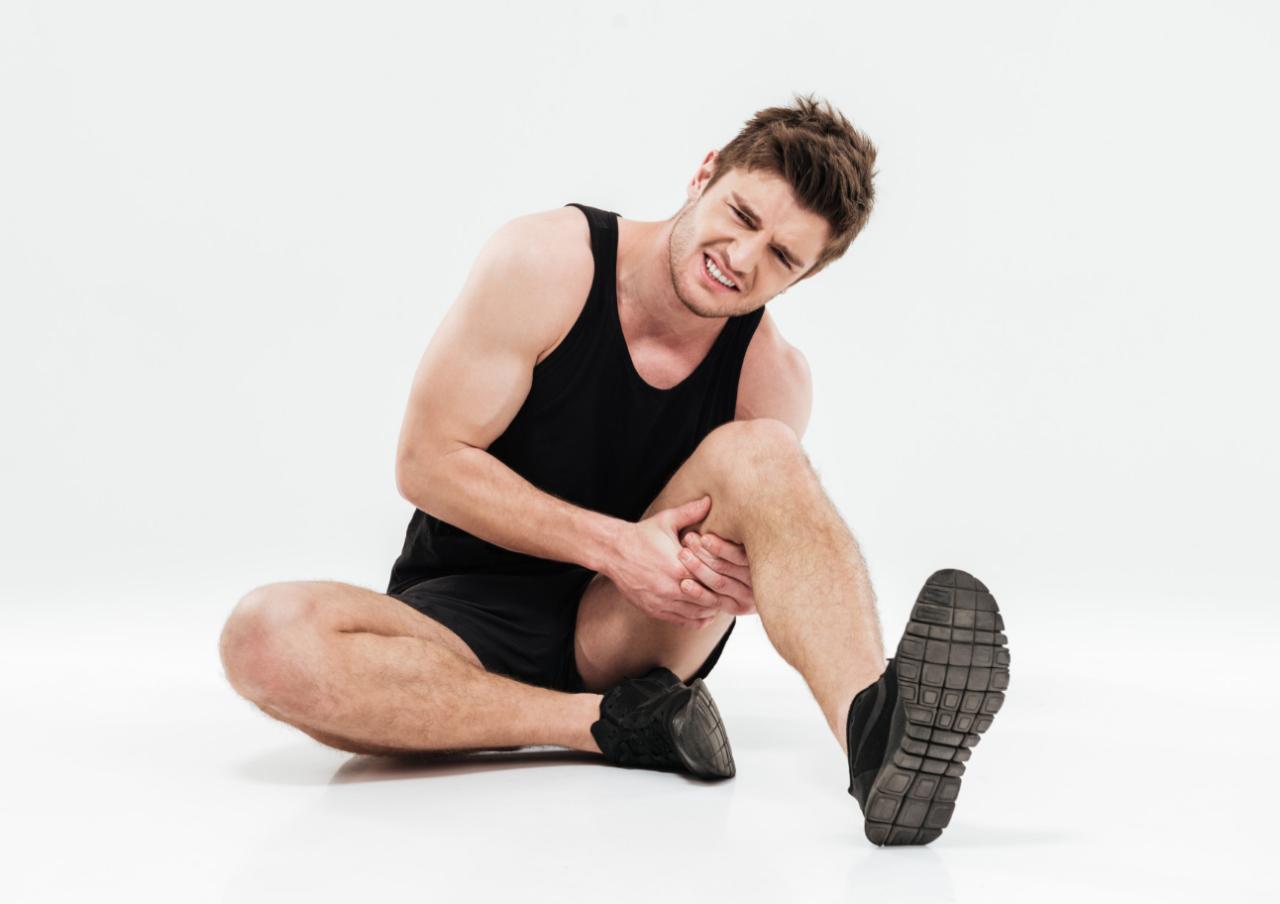
Most runners will get hurt at some point. That statement reads like pessimism, but it lines up with what the research actually shows. Systematic reviews indexed in PubMed put the annual injury rate at roughly 50%, with overall incidence and prevalence sitting around 40.2% and 44.6%. The body can absorb a lot of repetitive ground contact, but it has limits, and those limits tend to announce themselves through a small number of predictable running injuries. Knowing what those injuries are and why they happen gives you a better shot at staying on the road instead of sitting on the couch icing something.
About 70% to 80% of running injuries fall under the overuse category, which means most of them build slowly and arrive without a single obvious triggering event. A Sports Medicine meta-analysis found that novice runners had a weighted injury incidence of 17.8 per 1,000 hours of running, while recreational runners came in at 7.7 per 1,000 hours. The gap between those two groups tells you something useful about how preparation and training history reduce risk over time.
The Knee Takes the Biggest Hit
Patellofemoral pain syndrome tops the list of running injuries at 15.8% incidence. Runners describe it as a dull ache around or behind the kneecap that worsens going downhill, sitting for long periods, or squatting. The pain tends to creep in after a few miles and then stick around for the rest of the day.
The condition develops when the kneecap tracks poorly against the femur during repeated bending. Weak quadriceps, tight hip flexors, and poor gluteal activation all contribute to this tracking problem. Runners who increase their weekly mileage too quickly are especially prone because the muscles and connective tissue around the knee haven’t adapted to the new load yet.
Achilles Problems Build Quietly
Achilles tendinopathy comes in second at 13.7% incidence, and it has a reputation for lingering. The tendon connecting the calf muscles to the heel bone handles enormous forces during running, absorbing loads several times your body weight with each stride. When the tendon gets overloaded faster than it can repair, the tissue begins to break down at a cellular level.
Runners will feel stiffness in the morning that loosens up after a few minutes of walking. The tendon may feel tender to the touch about 2 to 6 centimeters above the heel. Some runners make the mistake of pushing through this early discomfort, and by the time they stop, the tendon has deteriorated enough that recovery takes months rather than weeks.
Calf raises performed at a slow tempo have shown good results in managing and preventing this injury. The loading helps the tendon remodel and tolerate stress better over time.
Cramping Starts Before the Cramp
Muscle cramping during a run often follows fluid and electrolyte loss that began well before the first twinge. Electrolytes such as sodium, potassium and magnesium leave the body through sweat at rates most runners underestimate. Some runners take electrolyte capsules to reduce cramping, while others rely on bananas at aid stations or diluted pickle juice, which has been a sports training staple for decades.
Cramping accounts for a portion of the roughly 50% of runners who deal with some form of injury annually. Replacing what sweat removes is a small adjustment that can prevent a larger problem.
Overtraining Sits Behind Most of It
Cleveland Clinic identifies overtraining as the leading cause of overuse injuries in runners. The contributing factors include worn-out shoes, foot anatomy, decreased strength, and rapid increases in mileage. Each of these factors reduces the body’s ability to absorb the repetitive impact that running demands.
Old shoes lose their cushioning and structural support gradually, so the degradation happens without the runner noticing. A general guideline is to replace running shoes every 300 to 500 miles, though this varies based on the shoe, the runner’s weight, and the running surface.
Foot anatomy plays a role, too. Runners with very high arches or very flat feet distribute ground forces differently, and certain structures end up handling more load than they were built for. Custom orthotics or stability shoes can help redistribute that load, but they work best alongside a proper strength program.
Also read » The Top 10 Workout Misconceptions
Hip Strength as a Protective Factor
A 2024 prospective cohort study found that greater hip external rotation strength acted as a protective factor against running injuries. This finding makes sense when you consider how much the hip controls lower leg alignment during the stance phase of running. When the hip is weak, the knee and ankle compensate, and compensation under load is how overuse injuries develop.
Single-leg exercises like Bulgarian split squats, clamshells with resistance bands, and lateral band walks target hip external rotators effectively. Runners who add these exercises 2 – 3 times per week give those muscles a reason to get stronger between runs.
Related » How to Rebuild Strength After a Major Injury
What Prevention Actually Looks Like
A 2025 scoping review published in Translational Sports Medicine identified the key topics in injury prevention research for runners. Strengthening programs, gait re-education, wearable technology for monitoring load, graduated running programs, footwear selection, recovery protocols, and educational advice all featured prominently.
The takeaway from this review is that no single intervention solves the problem on its own. A runner who strength trains but ignores recovery will still get hurt. A runner who buys expensive shoes but ramps up mileage too fast will still break down. Prevention works when several of these factors are addressed together and maintained over time.
Running injuries are predictable in their patterns and their causes. The body sends signals before it breaks. Paying attention to those signals, building strength outside of running, managing weekly mileage increases conservatively, and replacing shoes on time will keep most runners healthy for most of the year.
Related reading » How to Get Ready to Run the Marathon in a Month
 Spot an error in this article? A typo maybe? Or an incorrect source? Let us know!