
When discussing hypertension, our mind automatically goes to the heart, the kidneys, or even stroke. Rarely do we think to look at our eyes. Yet the fine, complex meshwork of vessels on the surface of the retina offers direct, non-invasive insight into the health of our circulatory system.
If systemic blood pressure stays elevated for long enough, it shows up as a specific pattern of damage called hypertensive retinopathy.
The Eye as a Window to Vascular Health
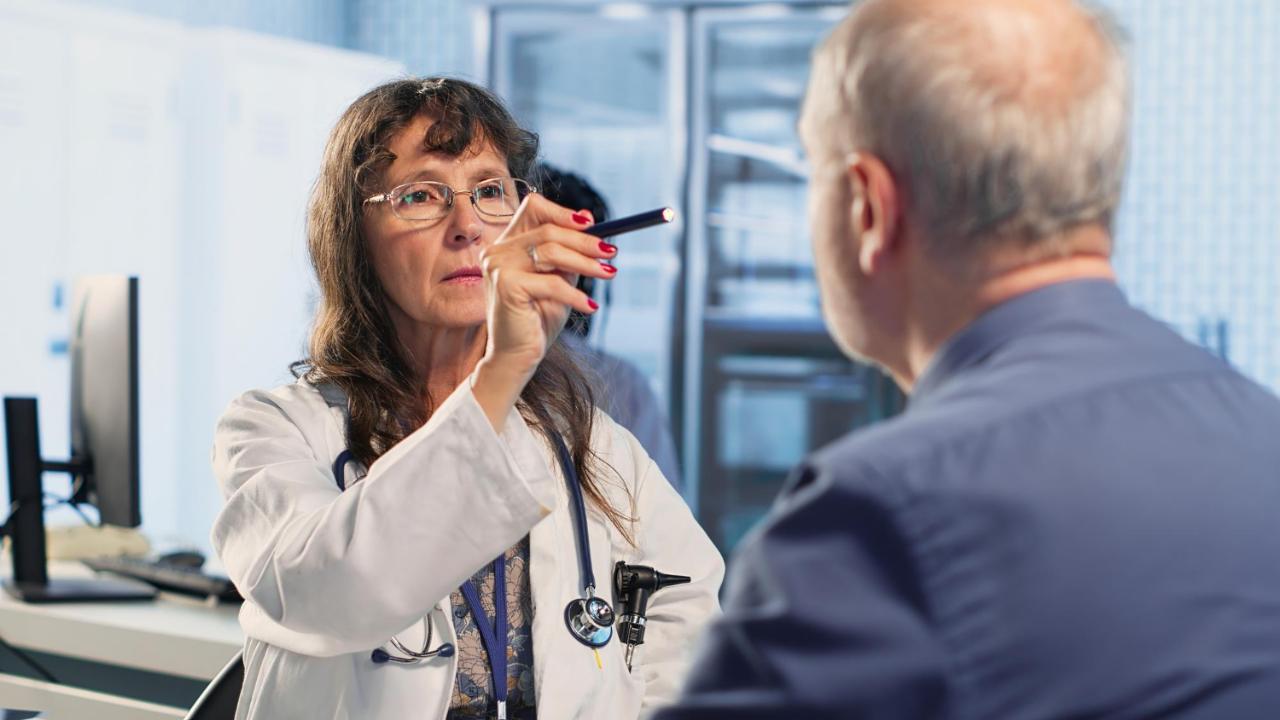
Doctors often describe the retina as a window into the health of the body’s blood vessels. During an eye examination, it is the one place where a doctor can look directly at blood vessels without any invasive procedure. So changes in the retina usually reflect changes taking place in blood vessels throughout the body.
The retina has no pain receptors, so hypertensive retinopathy develops for years without being noticed. The first sign is often a blurred or blind spot in the field of vision, and by the time that appears, vessel damage may already be present elsewhere in the body.
Unlike most other diseases, hypertensive retinopathy rarely announces itself through pain or obvious visual problems. Patients are frequently unaware that their retinal blood vessels are being damaged year after year. This silent progression mirrors high blood pressure itself, long known as “the silent killer,” and hypertensive retinopathy is one of its clearest illustrations.
How the Damage Progresses
The disease develops in stages. At first, the arteries in the retina narrow under the extra pressure. If high blood pressure persists, their walls thicken and lose elasticity. As blood flow becomes restricted, small areas of retinal damage appear. In some cases, the optic nerve begins to bleed or leak fluid, causing it to swell.
Vision problems, such as blurring or difficulty focusing, tend to appear only once the disease has progressed considerably, and vision loss can follow. By this stage, the person will typically have lived with high blood pressure for several years already.
Prevention Comes First
Hypertensive retinopathy is preventable. Protecting the blood vessels in the eyes starts with detecting and controlling high blood pressure, and lifestyle plays an equal role: eating habits, physical activity, and stress management all matter.
A diet rich in vegetables, fruits, whole grains, and protein helps keep blood pressure at healthy levels, while excess salt and processed food push it up. Regular exercise keeps blood vessels flexible and supports healthy circulation.
Sleep deserves more attention than it usually gets. A growing body of research links insufficient sleep to poor blood pressure control and cardiovascular health, beyond its effect on energy levels.
Stress is another factor that is often overlooked. Occasional stress is normal, but sustained stress keeps the body in a constant state of alert, which can lead to persistently high blood pressure and accelerate vascular damage. Meditation, mindfulness practices, yoga, and regular physical activity can help manage it.
Managing Existing Retinopathy
For patients who already have hypertensive retinopathy, the focus shifts from prevention to management. No eye treatment on its own can cure the condition; the primary approach is bringing blood pressure under control. When blood pressure is managed well, further complications can be prevented, and some existing retinal changes may even improve.
The extent of recovery depends on how much damage has already occurred. If the retina or optic nerve has been severely affected, vision may not be fully restored, which is why early detection matters so much. Managing related conditions such as diabetes, high cholesterol, and obesity is equally important, since they can compound the damage to blood vessels.
The Body Works as a Whole
Hypertensive retinopathy is a reminder that no organ works in isolation. The eyes, heart, brain, and blood vessels are all connected, and what affects one affects the others. Our eating habits, exercise routine, stress levels, and regularity of doctor visits shape not just our vision, but our health as a whole.
 Spot an error in this article? A typo maybe? Or an incorrect source? Let us know!