
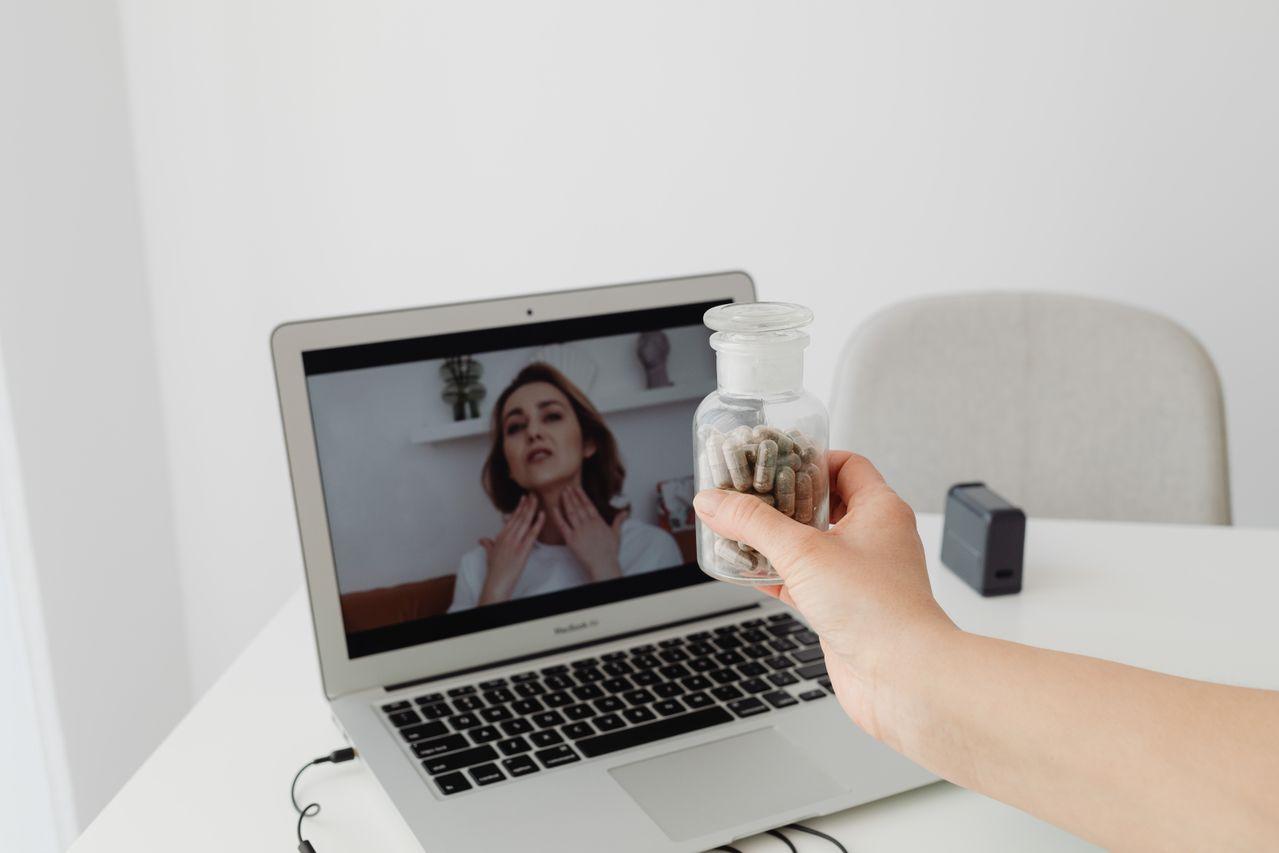
Getting help for mental health or addiction used to mean rearranging your whole life around appointments, travel, and waitlists. This traditional setup still works for some people, but school, work, family responsibilities, or no reliable ride can turn it into a mess. Telehealth now lets you talk to licensed professionals or join therapy sessions from home, and building recovery habits without leaving your house makes support feel far more reachable.
Why Online Support Feels More Manageable
Mental health treatment often falls apart for practical reasons, not lack of effort. Missing work, finding childcare, borrowing a car, or sitting on a bus for an hour can turn one appointment into a full-day production. Online treatment options slot into daily life without the disruption. You might attend therapy during a lunch break or check in with a provider after class, without needing to carve out a separate block of your day.
It can reduce skipped appointments and help you stay consistent long enough to build momentum. Recovery tends to respond well to that kind of rhythm, and a plan you can actually follow does more for you than a perfect one you eventually abandon.
What Telehealth Actually Means for Your Care
Telehealth is more than a video call with a therapist. It usually includes online counseling, psychiatric check-ins, medication management, recovery coaching, group sessions, and progress tracking through secure platforms.
If you’re dealing with anxiety, depression, substance use, or a dual diagnosis, telehealth can give you access to structured support without forcing you into a long commute or a crowded waiting room. For many people, that lowers the barrier enough to finally start.
You’ll still need privacy, internet access, and a device that works well. Telehealth isn’t magic, and it doesn’t replace every in-person service. But it does widen the doorway. That matters when getting started feels like the hardest part.
Who Benefits Most From Telehealth Services
Telehealth can be especially useful if your life is already packed or unpredictable. Students, parents, people in rural areas, shift workers, and anyone without dependable transportation often benefit quickly from remote care.
It also helps people who feel nervous about walking into a clinic, since the first step alone can feel huge. Meeting a provider from a familiar space may ease some of the pressure and make honest conversations more likely.
You might also find telehealth helpful if you need ongoing support after a higher level of care. Many people use it to maintain progress after rehab, intensive outpatient treatment, or a mental health stabilization program. Think of it as a practical bridge between formal treatment and daily life, minus the fluorescent lobby chairs.
What Telehealth Can and Can’t Do
Remote care is flexible, but it has limits. It works well for many therapy sessions, follow-up appointments, psychoeducation, relapse prevention, and medication reviews. It can also support early intervention when symptoms first start interfering with your routine.
Still, some situations need in-person care. If you’re in immediate crisis, medically unstable, or at risk of harming yourself or someone else, emergency services or urgent in-person treatment are the better move. Severe withdrawal symptoms also require direct medical supervision.
A solid provider will tell you that clearly instead of trying to squeeze every problem into a telehealth session. Good care depends on matching the level of treatment to what you actually need, not forcing convenience to do a job it can’t do.
How to Tell if an Online Program Is Legit
Not every program offering virtual care deserves your trust. Slick branding can look impressive, but your standards need to go beyond a polished homepage and buzzwords like personalized wellness ecosystem.
Look for licensed clinicians, clear treatment plans, secure communication systems, and honest explanations of what services are included. Check whether they treat your specific concerns, such as alcohol use, opioid dependence, trauma, anxiety, or depression.
A legitimate provider should also explain:
– how assessments work
– what a typical schedule looks like
– whether they accept insurance
– how emergencies are handled
– what happens if telehealth isn’t enough
Vague answers should give you pause, no matter how professional the program looks. Clear information usually signals a provider that takes clinical care seriously.
How to Make Virtual Therapy Work Better for You
Telehealth is convenient, but convenience alone won’t carry the process. A little setup can make your sessions far more productive.
Try these basics before you log in:
– choose a quiet, private spot
– use headphones if other people are nearby
– test your camera, audio, and internet
– keep water, a notebook, and any medications close
– silence notifications so your phone doesn’t sabotage the moment
It also helps to show up with one or two things you want to discuss. You don’t need a formal agenda, but a rough focus keeps the session from drifting. If home feels distracting, consider sitting in your car, booking a private room at school, or asking a trusted person for uninterrupted time. A decent signal and ten minutes of privacy are often enough to make a session work.
The Bigger Impact on Access and Recovery
Telehealth is changing more than appointment logistics. It’s reshaping who gets access to care in the first place. People who once had no realistic path to treatment can now reach licensed help from communities with provider shortages or long wait times. This matters not just for individuals but also for public health, school performance, workplace stability, and family life. Easier access to mental health support means problems are more likely to get addressed before they escalate into job loss, relapse, hospitalization, or legal trouble.
Remote care won’t solve every gap in the system. Insurance issues, technology barriers, and housing instability still complicate treatment. Even so, telehealth has made support more adaptable to real life. And real life, as you’ve probably noticed, rarely follows a predictable schedule.
Choosing the Right Next Step
If you’ve been putting off help because the process looked too complicated, telehealth may be the option that finally feels workable. That doesn’t mean it’s a shortcut. It means treatment can meet you where you are, literally and clinically.
Start by asking a few practical questions: Do you need therapy, addiction counseling, medication support, or a mix of services? Do you want one-on-one sessions, group support, or both? How often can you realistically commit each week?
The answers to these questions can point you toward a program that fits your needs. The best treatment plan is the one you can engage with consistently and honestly, for long enough to create real change.
 Spot an error in this article? A typo maybe? Or an incorrect source? Let us know!