
Communication is often described as the foundation of a healthy relationship. Yet for many couples, it is also the area where things first begin to break down. Misunderstandings, unresolved conflicts, and emotional distance can gradually replace open, honest conversation, and by the time the pattern is recognized, it has often been in place for years.
Why Communication Breaks Down
Most communication difficulties between couples do not begin with a single dramatic event. They develop through small misunderstandings, unspoken expectations, and emotional reactions that accumulate over time. Different communication styles play a significant role: one partner may prefer to address conflict directly, while the other withdraws to avoid confrontation. This creates what therapists call the pursue-withdraw dynamic, where one person pushes for resolution, the other pulls back, and both end up feeling frustrated and unseen.
Communication problems are also frequently symptoms of something deeper. Emotional triggers rooted in past experiences, sometimes from long before the relationship, can prevent partners from using communication skills they already intellectually possess. Knowing you should use “I” statements rather than accusations is one thing. Being able to do so in a moment of emotional intensity is another.
Nonverbal communication adds another layer. Tone, body language, facial expressions, and silence all carry meaning, and misreading them is a common source of conflict, particularly when partners are already on edge.
The Role of Couples Therapy
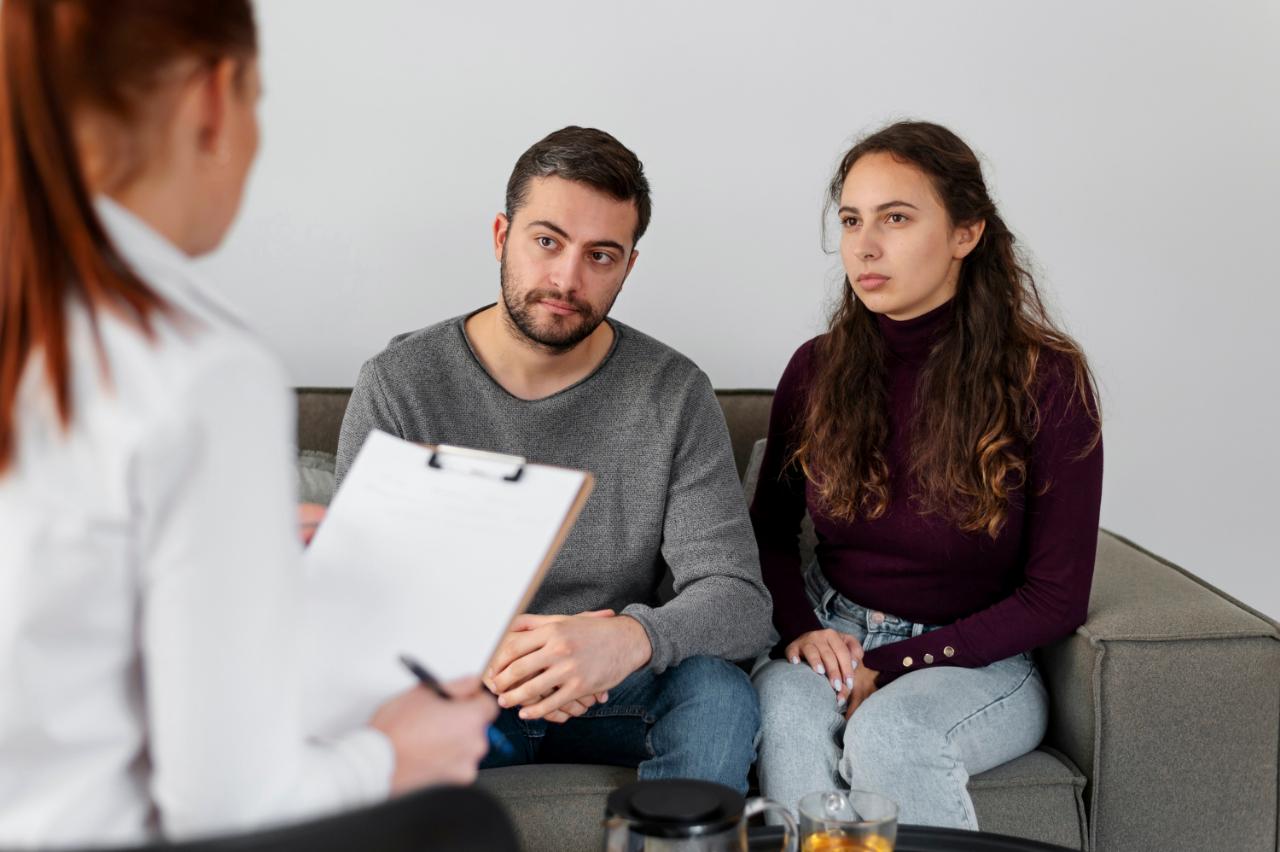
Couples therapy provides a structured, neutral space where both partners can express themselves without the conversation derailing into conflict. A trained therapist helps slow communication down so that instead of reacting immediately, couples learn to pause, reflect, and respond with more intention. This shift alone can reduce emotional intensity considerably.
Therapists also help couples identify communication patterns they may not recognize on their own. The pursue-withdraw cycle, for instance, rarely feels like a pattern from the inside. Instead, it feels like your partner is refusing to engage, or refusing to leave it alone. Naming the dynamic changes how both people experience it.
Active Listening and Validation
A significant part of rebuilding communication between couples involves learning to listen properly. In conflict, rather than listening most people are preparing their response. Couples therapy addresses this through active listening practice: giving full attention to the speaker, reflecting back what was heard, and resisting the urge to respond before the other person feels understood.
Validation is equally important, and it is often misunderstood. It does not mean agreeing with your partner — it means acknowledging their feelings and letting them know you have heard them. When people feel genuinely heard, they become more open to hearing their partner’s perspective in return.
Understanding Emotional Needs and Triggers
Every individual carries emotional patterns shaped by past experience. Couples therapy helps partners explore what situations trigger strong reactions in them, how those reactions connect to earlier experiences, and why certain arguments keep recurring regardless of the topic.
This awareness creates a shift from blame to understanding. Arguments that appear to be about household chores, punctuality, or finances are often expressions of unmet emotional needs for respect, security, or acknowledgement. Recognizing this changes how couples approach disagreement.
Related reading » 6 Common Fight Starters Among Married Couples
Practical Tools for Daily Communication
Therapy introduces specific techniques couples can apply in their interactions outside sessions:
“I” statements
Replacing “You never listen” with “I feel unheard when…” shifts the conversation from accusation to expression.
Structured breaks
Agreeing to pause a conversation when it becomes too heated, with a set time to return to it, prevents escalation.
Direct expression of needs
Stating what you need rather than expecting it to be inferred reduces resentment.
Reflective listening
Before responding, briefly summarizing what your partner said confirms you have understood them correctly.
Nonverbal awareness
Paying attention to tone, eye contact, and body language, both your own and your partner’s, as part of the exchange.
Scheduled check-ins
Setting aside regular, low-pressure time to talk about the relationship before issues accumulate.
Effective communication is a skill which means it can be learned and, with practice, improved. Small, consistent changes in how partners speak and listen compound over time.
The Benefits of Couples Therapy
For couples who engage with the process consistently, the gains are often broader than they expected when they first sought help.
- Stronger emotional connection. Partners develop a deeper understanding of each other’s inner world, not just their behavior.
- Better conflict resolution. Disagreements become less frequent and less damaging as both partners develop tools to manage them.
- Rebuilt trust. Consistent, respectful communication repairs trust that has eroded over time.
- Greater intimacy. Feeling heard and understood creates emotional safety, which is the foundation of genuine closeness.
- Increased relationship satisfaction. Couples who communicate well report higher overall satisfaction and resilience during difficult periods.
- Improved individual wellbeing. Relationship stress affects mental and physical health; resolving it has benefits beyond the partnership itself.
When to Consider Couples Therapy
Many couples delay seeking help, assuming therapy is only for relationships in crisis. In practice, earlier intervention tends to produce better outcomes. Resentment has less time to harden, and patterns are easier to interrupt before they become deeply ingrained. Therapy is worth considering when arguments repeat without resolution, when emotional distance has become the default, or when one or both partners feel consistently unheard. It is also a legitimate choice for couples who simply want to strengthen a relationship that is functioning but not thriving.
Case Study: How Couples Therapy Helped Maya and Rolf
Maya and Rolf had been together for six years. Maya would raise concerns about feeling disconnected; Rolf, uncomfortable with conflict, would go quiet. Maya would push harder.
Rolf would withdraw further. Neither understood why the same argument kept happening. In therapy, they learned this was a pursue-withdraw pattern — not a character flaw in either of them, but a dynamic shaped by how each had learned to handle conflict growing up. When Maya raised a concern, Rolf heard criticism. When Rolf went quiet, Maya felt abandoned.
Practicing active listening changed things. Rolf began reflecting back what Maya said before responding. Maya felt heard for the first time in years; she became less urgent in how she raised things. The argument about disconnection turned out to be about each of them needing reassurance, expressed in ways the other couldn’t receive.
Conclusion
Communication difficulties between couples are rarely just about words. It reflects how partners understand themselves and each other. It is about the emotional histories they bring to the relationship, the needs they struggle to express, and the patterns that have formed in the absence of better tools. Couples therapy works not by teaching people to talk more, but by helping them understand what they are actually trying to say, and why it so often goes unheard. For couples willing to engage with that process, the gains extend well beyond fewer arguments as they develop greater trust, deeper intimacy, and a more stable foundation for whatever comes next.
 Spot an error in this article? A typo maybe? Or an incorrect source? Let us know!